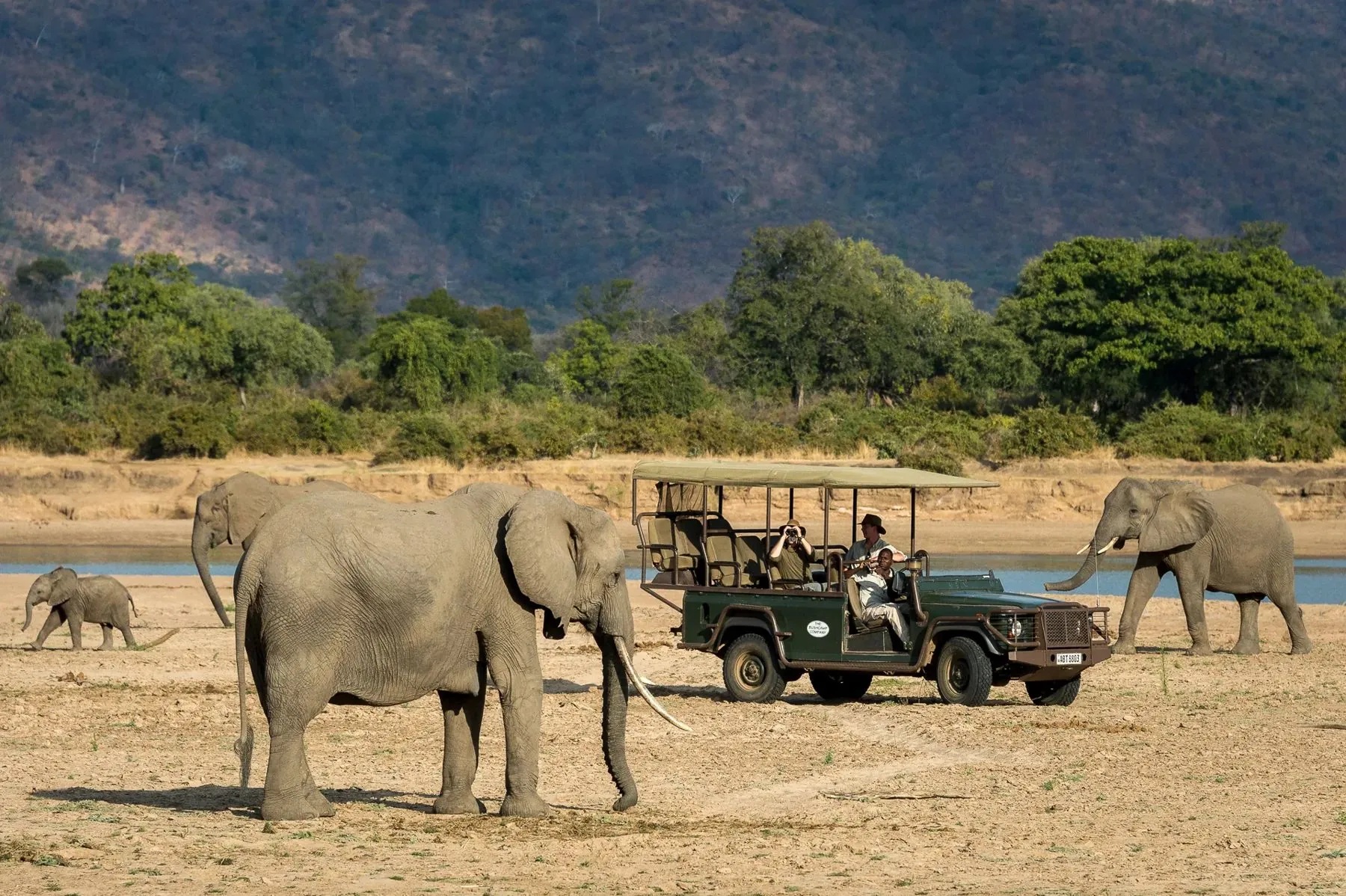
The Bushcamp Circuit: The Best Way to Experience South Luangwa
Six camps, one exclusive wilderness, and a safari that gets better every morning you wake up somewhere new.
I was talking with an Argentine couple at Chindeni not long ago — a few days into their South Luangwa safari, visibly lit up by the valley. Good sightings, great guiding, the kind of trip that was clearly landing exactly as it should. I asked where they were headed next.
They were leaving the bushcamp area that morning. Driving two hours upriver to a pontoon crossing, crossing into the GMA, then driving three more hours down to a camp that sits outside the national park entirely. Five hours of travel to reach a lesser experience — and burning most of a safari day to get there.
Their agent had built that itinerary. And I found myself wondering what that agent thought they were improving on by pulling those guests out of one of the finest wildlife wilderness areas in Africa — when the next stop on the circuit was twenty minutes away.
That conversation is why we wrote this.
What the Bushcamp Circuit Actually Is
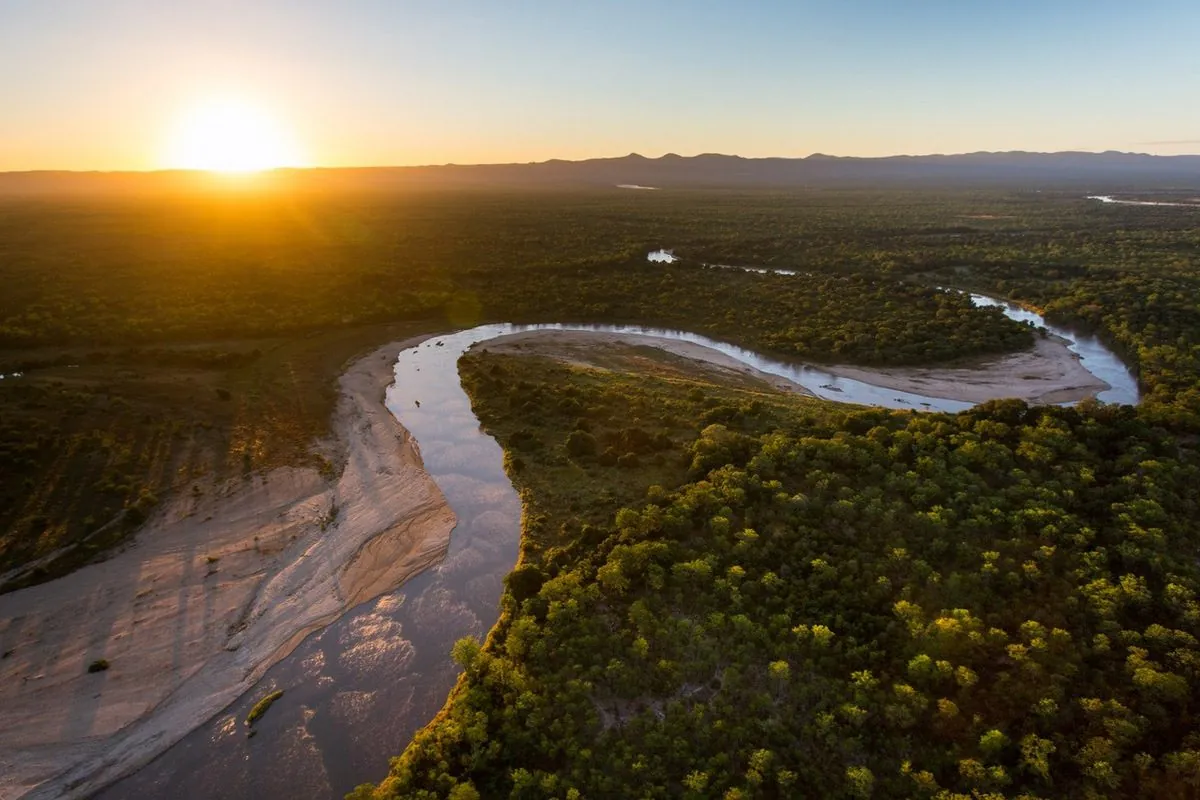
The Bushcamp Company runs six small camps (Kuyenda, Chindeni, Bilimungwe, Kapamba, Chamilandu and Zungulila) across roughly 140,000 acres of exclusive wilderness in the south of South Luangwa National Park. No other operator has camps here, and no other vehicles work these roads. You are in a private wilderness inside one of Africa's great parks, with the whole Luangwa Valley on your doorstep and no one else in sight.
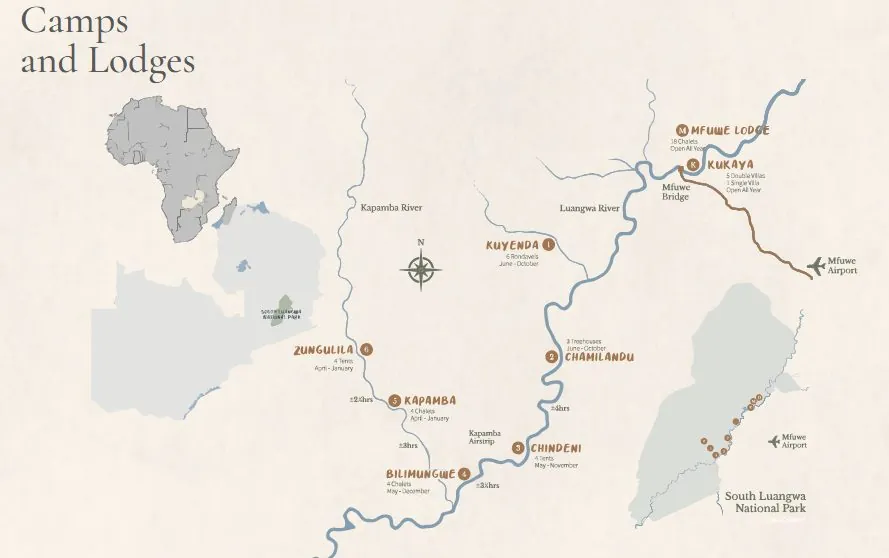
The circuit is the practice of moving through those camps in sequence — typically two nights at each — so that over the course of a week or more, you experience a progressively deeper and more varied slice of the valley. Each camp has its own character, its own setting, its own wildlife patterns. None of them duplicate each other. Moving between them is not a compromise. It is the point.
Each camp has its own character. Moving between them is not a compromise. It is the point.
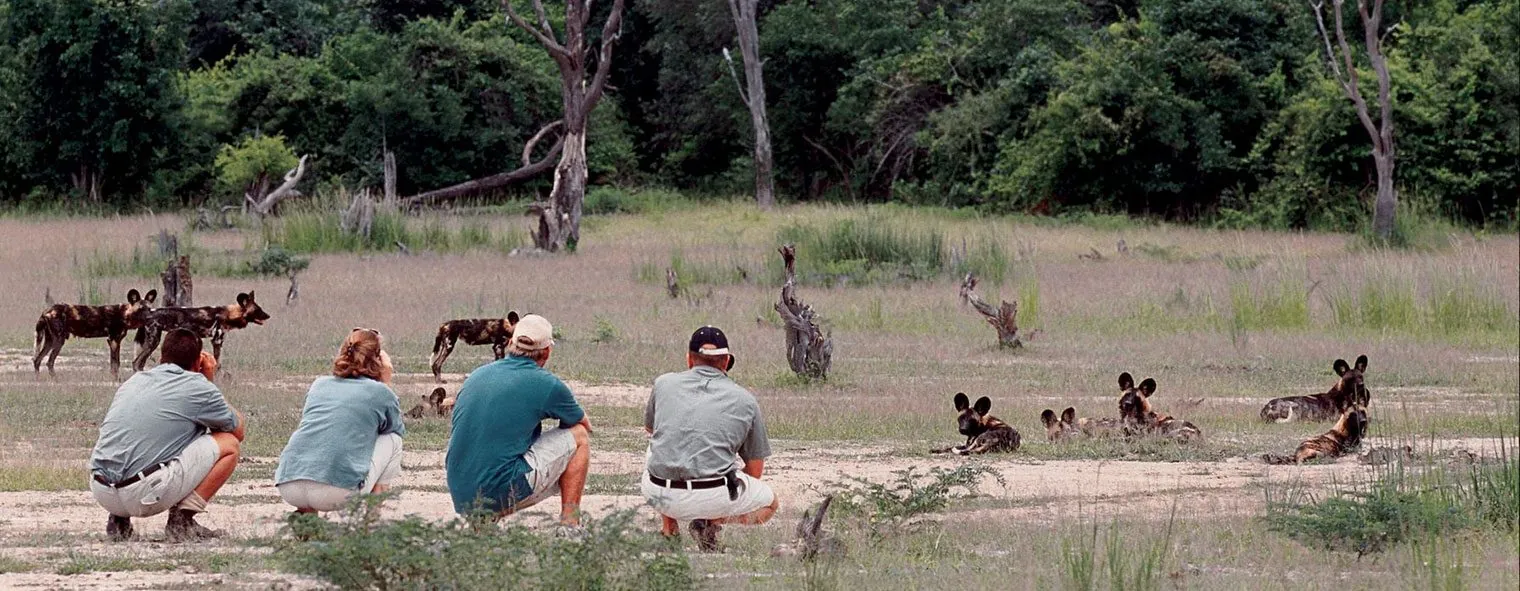
Between camps, guests can walk — escorted by a professional guide and an armed wildlife scout — along game trails that connect the properties. Or travel by vehicle, arriving in time for an afternoon game drive that starts from the new camp's territory. The logistics are handled entirely by the camps. Guests simply show up to breakfast on the morning they move, and the rest takes care of itself.
Why the Circuit Is the Best Way to Experience the Valley
A single-camp South Luangwa safari is a good safari. You will see extraordinary things. But the valley has a quality that very few African destinations match: it rewards movement and time in ways that most guests only discover once they have done it.
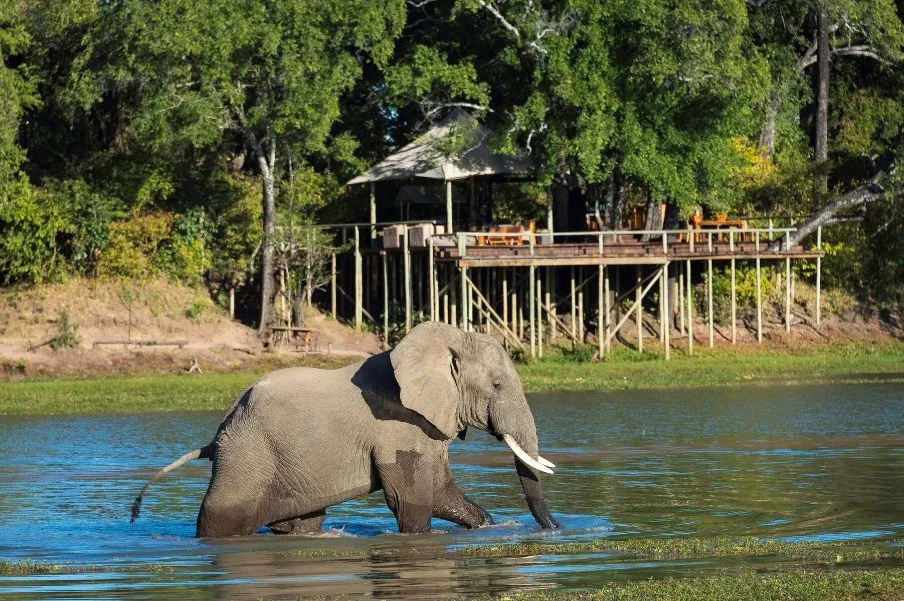
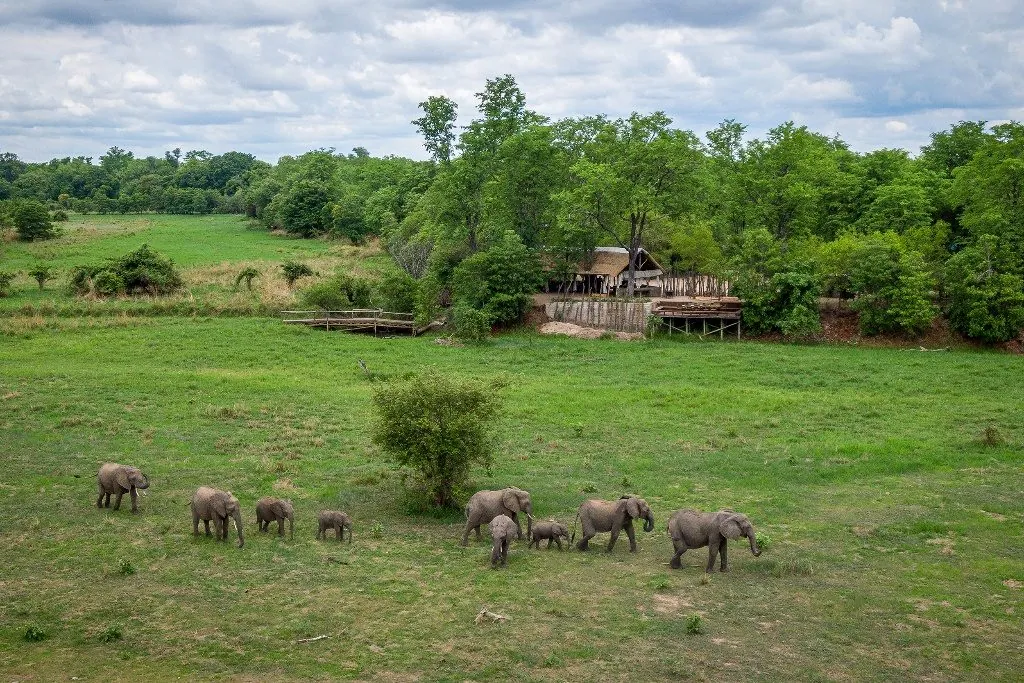
The terrain changes from camp to camp. Kuyenda sits on a spring-fed rise above open floodplains, where salt springs draw wildlife. Chindeni faces a permanent lagoon ringed by ancient ebony trees, in leopard country. Bilimungwe has a waterhole in front of camp, so you can watch elephants at breakfast. Kapamba puts you on the river, with sundowners in the shallows. Chamilandu's treehouses look over the Luangwa floodplain at dawn. Zungulila, on the Kapamba River, is the most remote camp in South Luangwa: the true end of the road.
Moving through several of these is not restless tourism. It is the most efficient way to understand what the Luangwa Valley actually contains. Guests who do the circuit invariably describe the same thing: each morning you wake up somewhere new, and the safari deepens.
Why staying put costs you more than you think
When a guest books four nights at one bushcamp, they see that camp's game-viewing territory, that camp's waterhole, that camp's stretch of river. They go home having had a good safari.
When a guest does the circuit, they see the oxbow lagoon at Chindeni, the waterhole at Bilimungwe, the river at Kapamba, the floodplain at Chamilandu. They walk between habitats rather than returning to the same roads. Their guide builds on what they have already seen — the leopard from two nights ago, the painted dog pack that showed up near Kuyenda. The sightings accumulate and connect.
The circuit is not more expensive than a comparable number of nights at a single premium camp elsewhere. It is just better value, because you are buying variety, movement, and depth — not just nights.
The Six Camps
Kuyenda — The Original
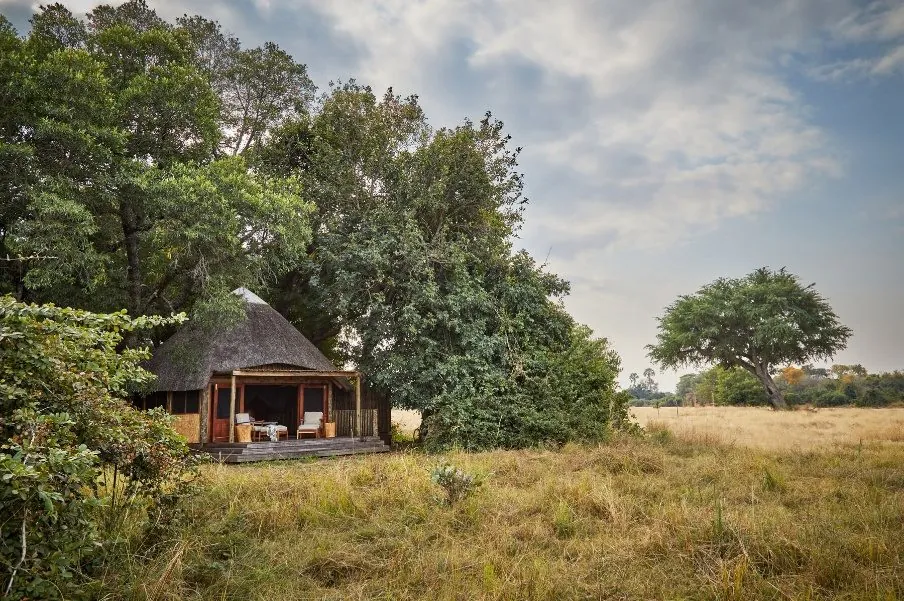
The closest bushcamp to Mfuwe Lodge, and the most directly tied to the origins of the walking safari. Kuyenda was founded by Phil Berry, a protégé of Norman Carr, and it still carries that lineage. Five rondavels sit on a spring-fed rise above the floodplains, and the walking takes you across open plains, palm islands, salt springs and riverbanks. This is where the tradition lives.
Chindeni — The Lagoon
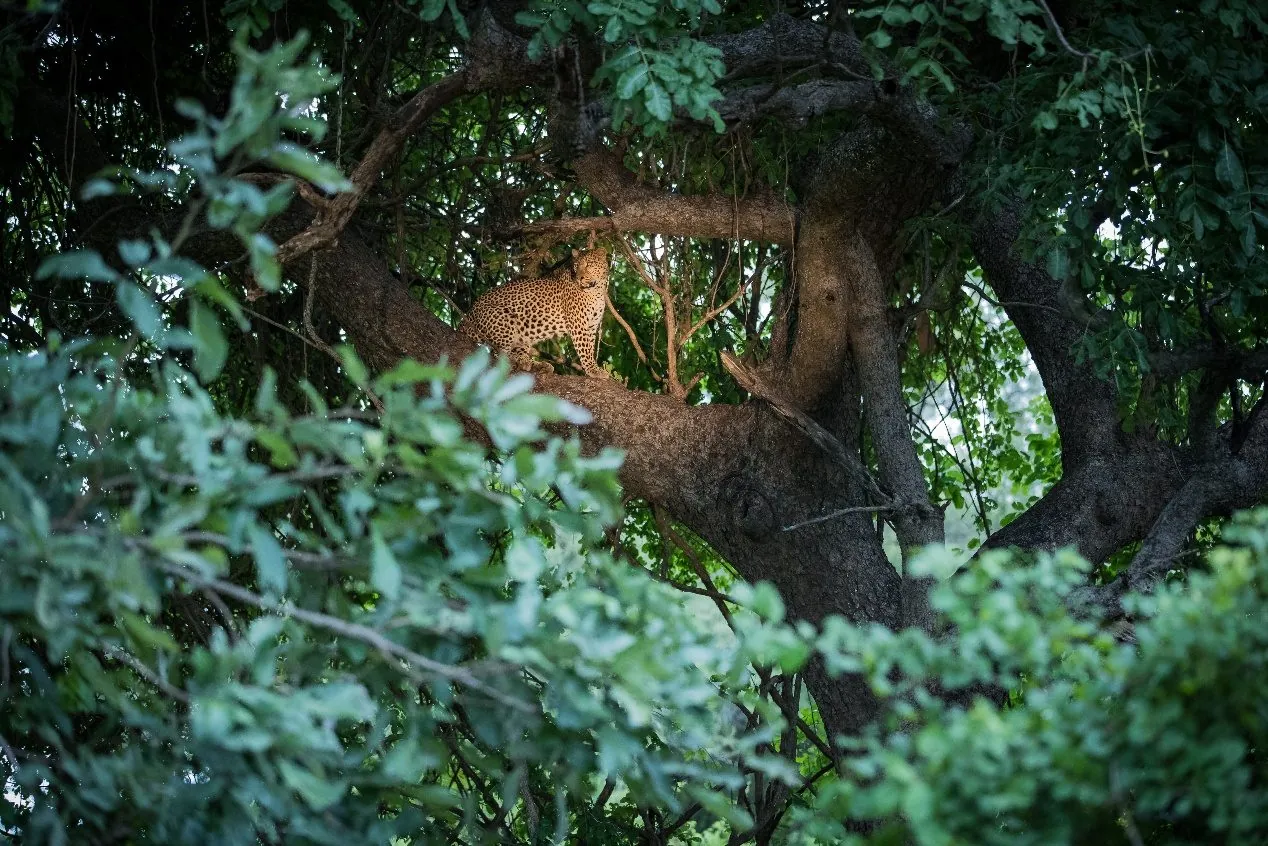
Four raised tents beneath ancient ebony trees on a permanent lagoon, with the Chindeni Hills behind. The lagoon draws wildlife all day: hippos, crocodiles, elephants coming to drink and the predators that follow. Chindeni is reliably one of the best leopard camps on the circuit, and it is linked on foot to Bilimungwe, making it a natural anchor for a multi-camp itinerary.
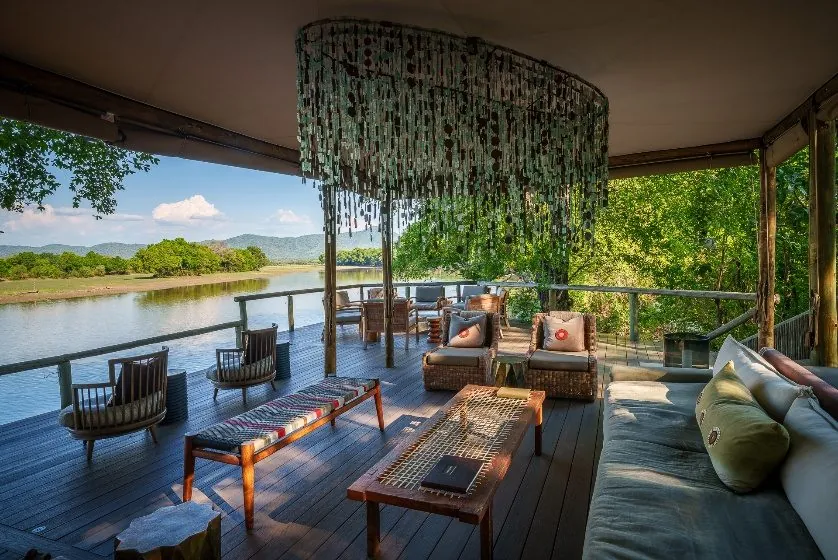
Bilimungwe — The Waterhole
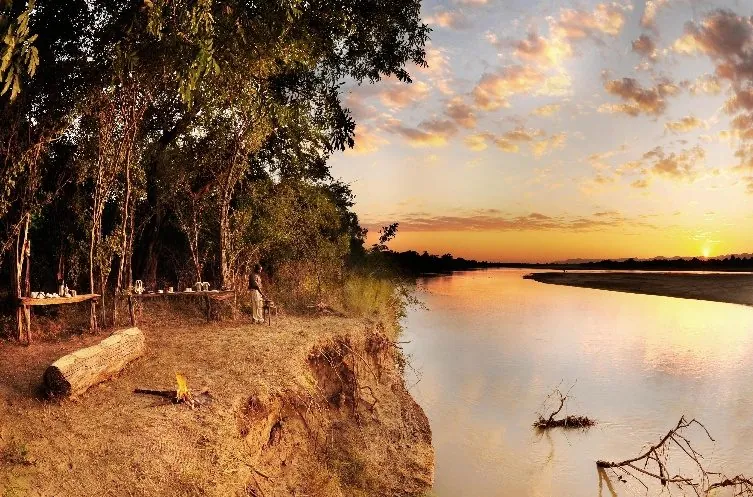
Set beneath a mahogany grove a short walk from the Luangwa River, Bilimungwe has a permanent waterhole directly in front of the camp. Elephants and antelope appear at the waterhole throughout the day, often within meters of the dining area. The camp offers sunrise breakfast at a firepit on the riverbank — one of the better-designed moments on the entire circuit. Inter-camp walks connect to Chindeni and Kapamba.
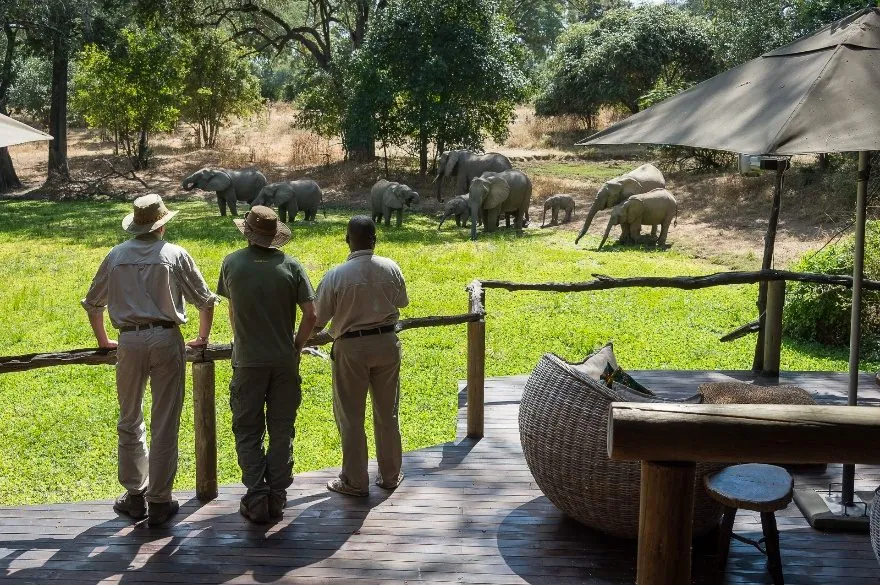
Kapamba — The River
Four chalets on the Kapamba River, with two star beds for sleeping under the open sky. Kapamba calls itself the most romantic camp on the circuit, and it earns it: sundowners in the shallows, dinners on the bank, the sound of water past the tent at night. A plunge pool completes a camp that feels more intimate, more river-focused and quieter than the rest.
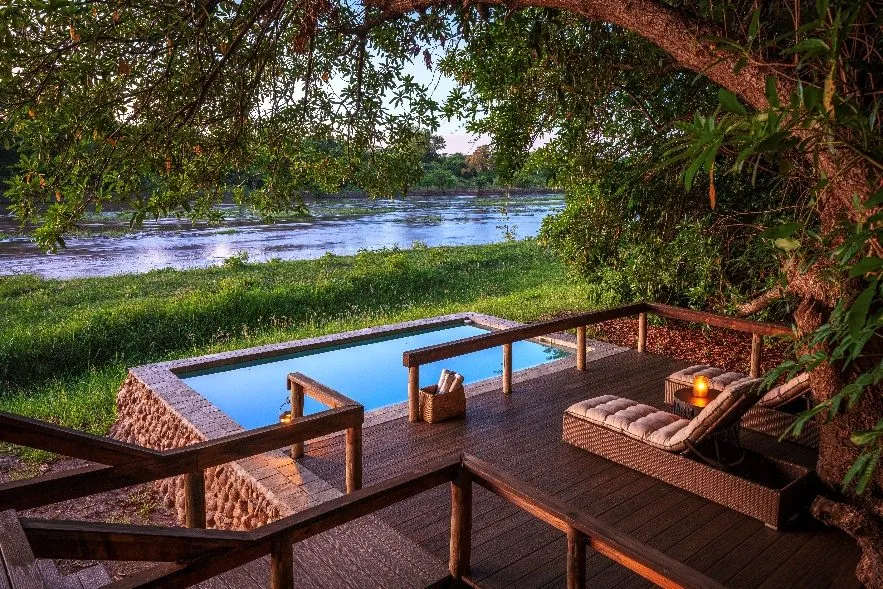
Chamilandu — The Treehouse
The smallest camp on the circuit, with only three treehouses and a maximum of six guests. Chamilandu sits on stilts beneath ebony trees overlooking the Luangwa floodplain — elephants and hippos visible below, the river beyond. The scale of the camp creates an intimacy that the larger properties cannot match. Six guests, one guide, one stretch of river. In the early morning, before the game drive, the floodplain is often already busy.
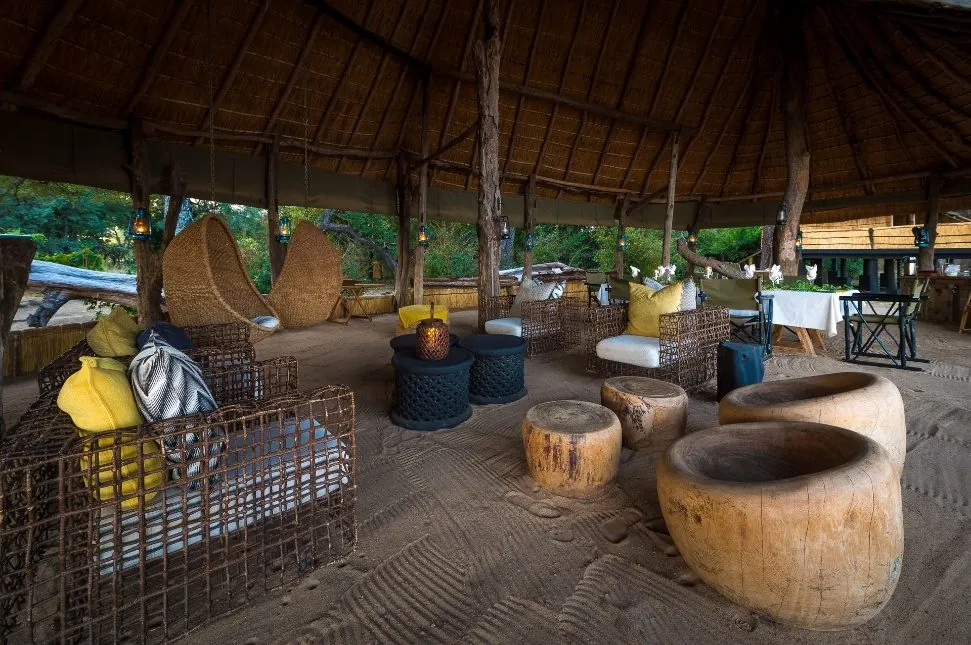
Zungulila — The Wilderness
The furthest camp from the gate and the most remote in South Luangwa. Zungulila sits on the Kapamba River beneath winterthorn trees, facing a wide floodplain. Getting here takes time, but the wilderness you arrive in is unlike anywhere else on the circuit: no neighbors, no road noise. Walking is its specialty, across floodplains, seasonal riverbeds and dense woodland. Refurbished in 2024.
How Many Nights Is Right
The honest answer is: more than most itineraries currently allow.
Two nights at a single bushcamp is a taste. You arrive in the afternoon, do a game drive or walk, sleep, do a morning activity, and leave. You have experienced the camp. You have not experienced the circuit.
The minimum to call it a true circuit experience is six nights across three camps — two nights each. That gives you enough movement to feel the variety between properties, enough time at each to let the wildlife patterns develop, and enough mornings for the valley to begin to make sense.
Eight nights across four camps is the sweet spot. You move through meaningfully different terrain, you walk between camps at least once, and by the end of the week the guides have built a picture — a leopard territory you have been tracking, a lion pride whose movements you have followed from one camp's territory into the next. That continuity is something a static itinerary cannot produce.
For guests who want to experience the full circuit — all six camps, two nights each — twelve nights is the number. Combining that with two nights at Mfuwe Lodge on arrival gives a fourteen-night South Luangwa safari that stands among the finest itineraries available anywhere in Africa.
By the end of the week, the guides have built a picture. That continuity is something a static itinerary cannot produce.
A Sample Circuit Itinerary
| Nights | Where | What you experience |
| 1–2 | Mfuwe Lodge | Arrival, orientation game drive, lagoon wildlife, settle into the valley |
| 3–4 | Chindeni | First bushcamp; walking begins; leopard habitat; inter-camp walk to Bilimungwe |
| 5–6 | Bilimungwe or Kapamba | Waterhole game viewing; river dinners at Kapamba; star beds if available |
| 7–8 | Chamilandu or Zungulila | Deepest wilderness; treehouse verandah or remote Kapamba River floodplain |
| 9 | Depart or extend to Lion Camp | Northern sector: a different landscape, different predator pressure, same exclusive guiding |
This itinerary moves from the most accessible camps toward the most remote, which is the natural direction of the circuit. Wildlife sightings compound as you go deeper. The guide's knowledge of what you have already seen becomes more useful each day. By the time you reach Zungulila or Chamilandu, you are not a new guest anymore — you are someone the valley has been working on for a week.
A Note on Walking Between Camps
The inter-camp walks are one of the circuit's defining features, and they deserve more attention than they typically get in itinerary descriptions.
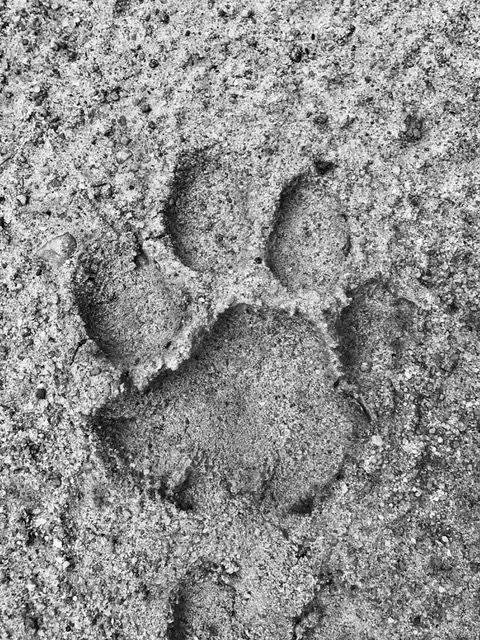
Walking from Chindeni to Bilimungwe, or from Bilimungwe to Kapamba, takes two to four hours depending on pace and what you encounter along the way. You move at human speed through the same bush the animals move through. Wind direction matters. Tracks matter. An alarm call from a puku antelope stops everyone. A fresh set of lion prints in a sandy riverbed means a conversation about which direction to take.
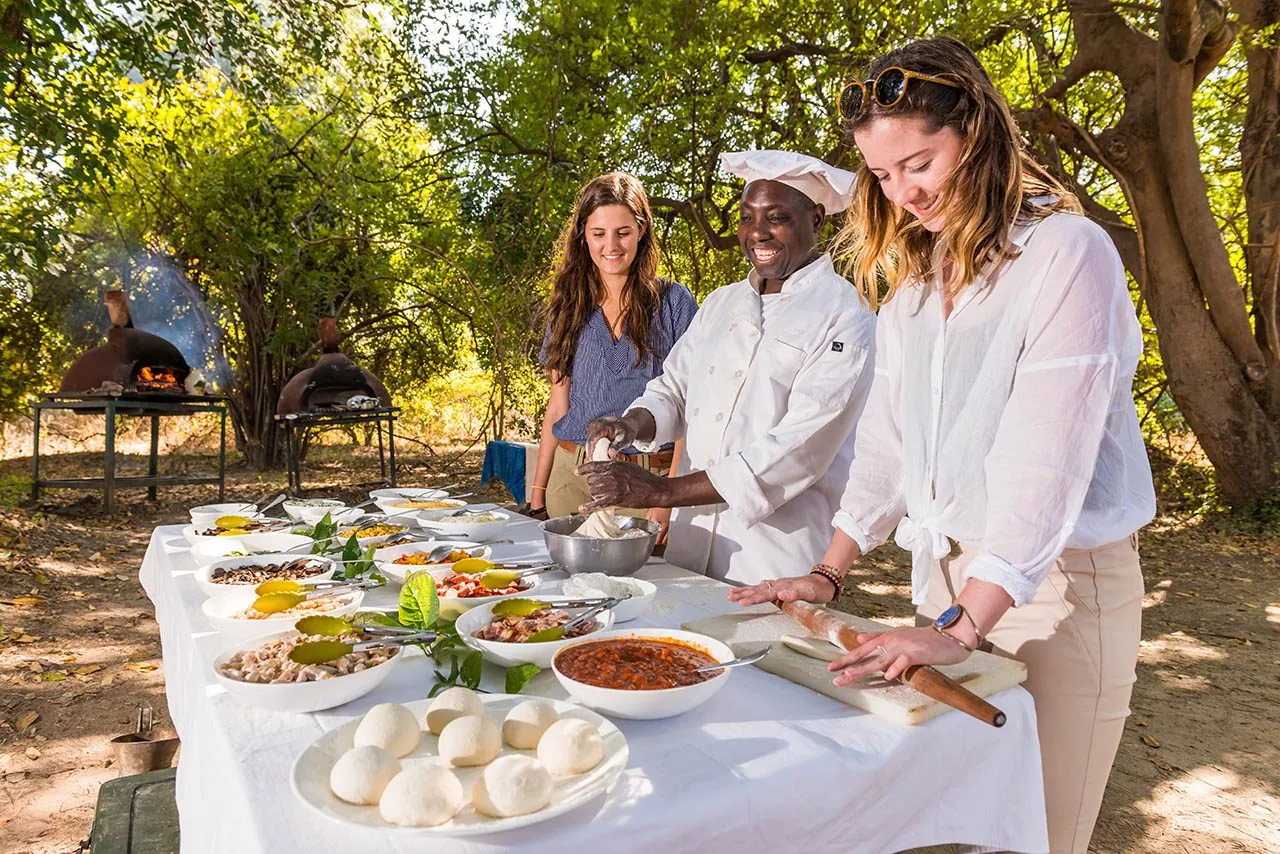
The walk arrives at the next camp in time for lunch. Your vehicle has gone ahead with the luggage. You sit down at a table in the bush, at a camp you have never been to before, having walked through the wilderness to get there. It is a transition that no amount of road transfer can replicate.
Not every guest chooses to walk between every camp — game drives are available for transfers, and some guests prefer the afternoon game drive that a vehicle transfer allows. But guests who do not walk between at least one pair of camps leave having missed one of the most distinctive things the circuit offers.
The Question Agents Should Be Asking
The Argentine couple I met at Chindeni were not poorly served by their agent in any obvious sense. They were at a good camp, having a good time. But five hours of their safari — a full morning and then some — were about to disappear on a road transfer to a camp outside the national park, when the next stop on the circuit was twenty minutes away.
The question worth asking, when building any South Luangwa itinerary, is simple: why would you pull someone out of one of Africa's finest private wilderness areas when the next camp on the circuit is just down the road?
The bushcamp circuit exists because the valley rewards depth and movement. It was designed by people who understood that the best thing you can do for a guest in South Luangwa is keep them there — moving through it, walking through it, sleeping inside it — for as long as they can possibly stay.
That understanding has not changed. The circuit has just gotten better.
Ready to build the right South Luangwa itinerary? Get in touch — we know this circuit the way you know a place you have been going back to for decades.