
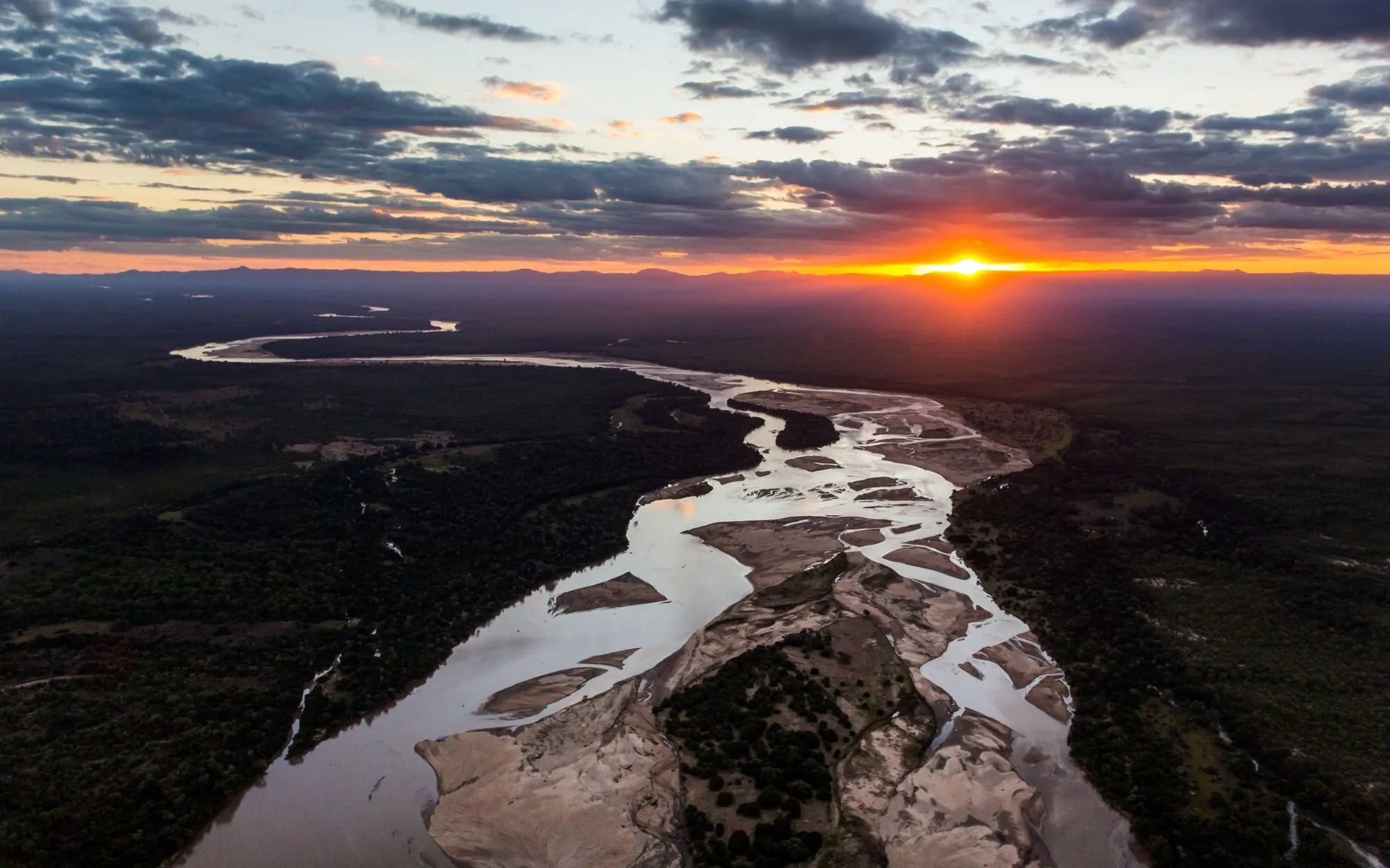
Zambia. Where It All Begins.
We have operated in the Luangwa Valley and across Zambia for decades. This is not a destination we visit; it is where we live and work.
Where the safari still feels wild.
Zambia is where the walking safari was born. It remains where it is done best.
Zambia offers what is increasingly rare in Africa: real wilderness, strong wildlife and a safari culture that has never chased volume. The parks are vast and quiet, the operators serious, the guides exceptionally trained.
African Paths began in Zambia, and it remains our center of expertise. We know South Luangwa in the dry season and the Kafue in the rains, which camps suit which months, and the operators personally.
Twenty national parks. Three great river systems. The home of the walking safari. And a human-wildlife relationship that remains largely intact.
National parks we design for
Each distinct in character, ecosystem, and experience
Walking safari origins
The valley where the walking safari began, and was refined
Visitor density
Zambia’s parks remain uncrowded by any African standard
Months a year
Wet and dry seasons offer completely different, equally compelling experiences
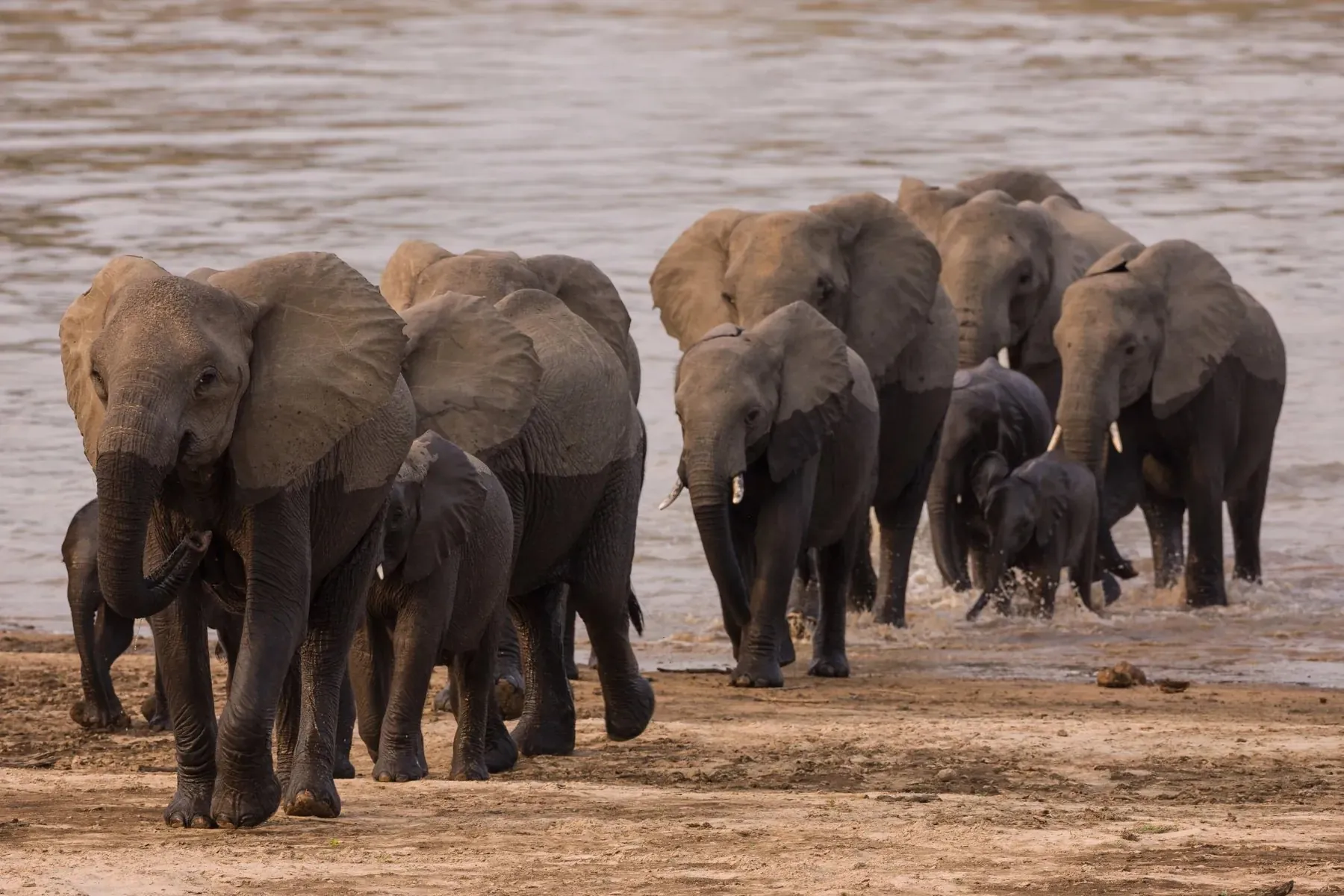
South Luangwa National Park
Eastern Zambia · The Classic
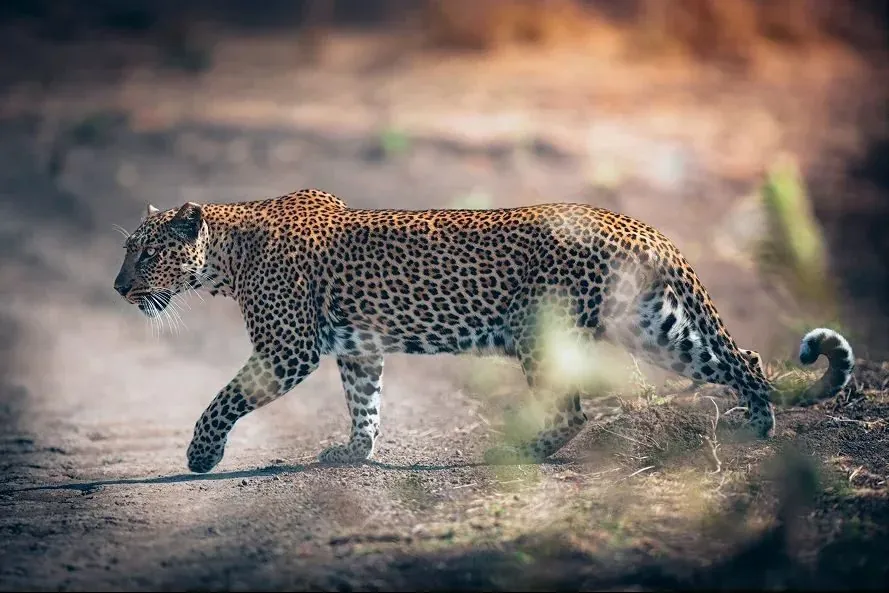
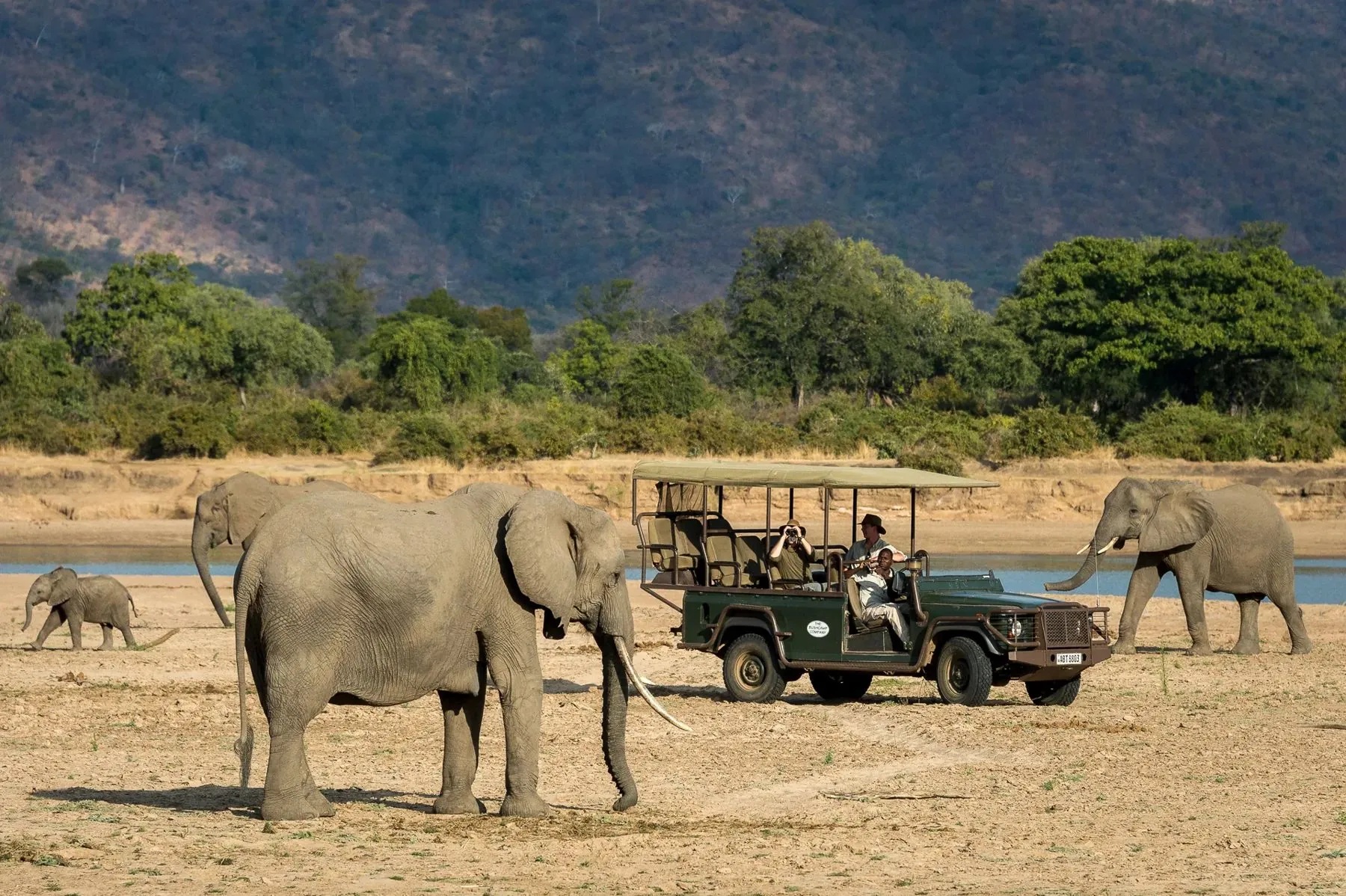
The heart of Zambia’s safari tradition and the birthplace of the walking safari, with some of Africa’s highest densities of leopard and lion, superb birding and an intimate camp culture.
The Bushcamp Company, our main partner in the valley, runs a circuit of intimate bushcamps of no more than eight guests, with highly trained walking guides.
In the remote north of the park, Lion Camp stands on the site of the original 1955 camp, with walking offered every day alongside the drive. Across the river, Chibembe is an exclusive-use camp on the ground where the walking safari began. Our Luangwa in Full journey links them all.
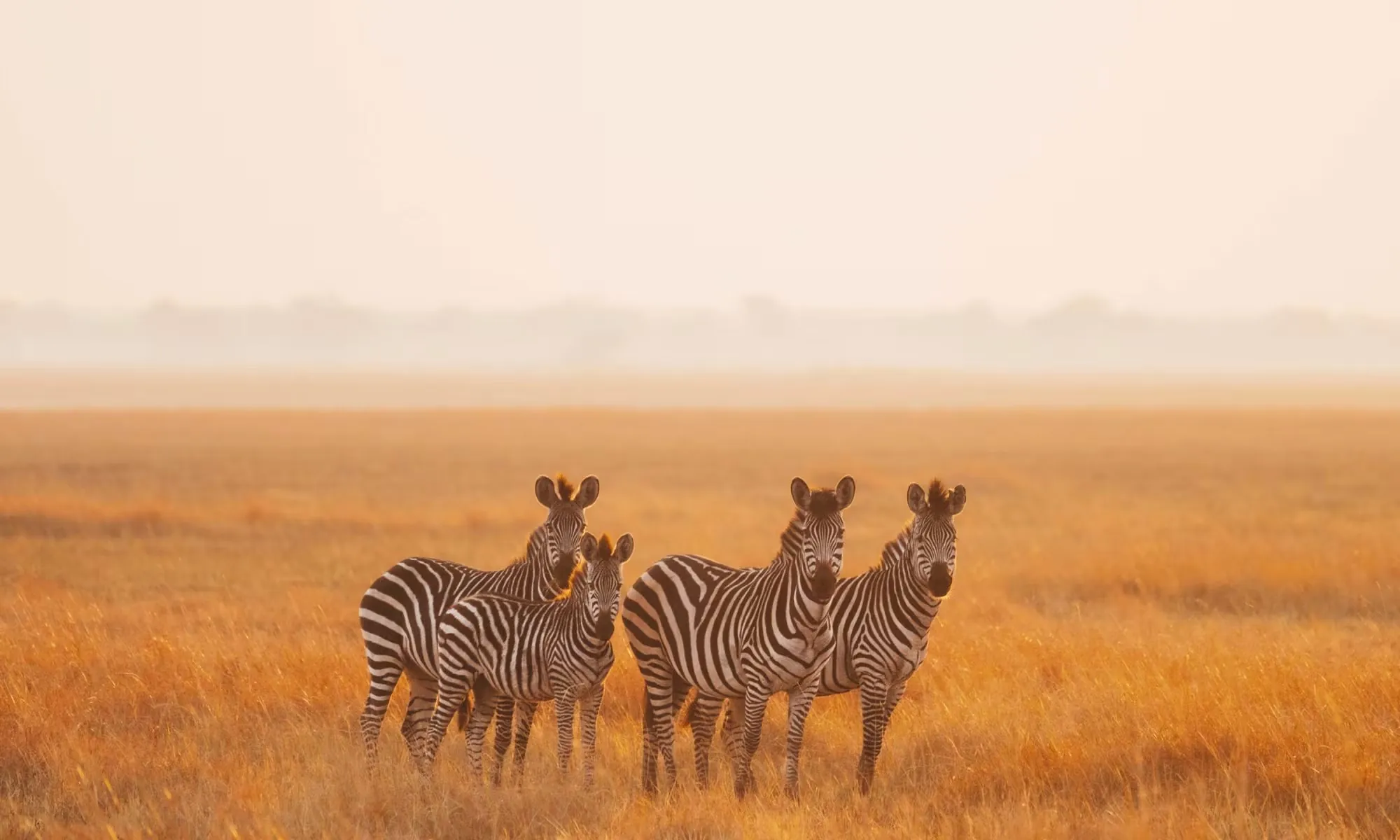
Kafue National Park
Western Zambia · The Vast
At 22,400 square kilometers (about 8,650 square miles), Kafue is one of Africa’s largest parks. You can drive all day without seeing another vehicle, and the wildlife ranges from cheetah and painted dogs to sitatunga and puku.
In the north, the Busanga Plains are one of Africa’s great open wildlife areas, especially in the dry season.
Two camps we use: Ntemwa-Busanga, five reed-and-thatch chalets on the Busanga Plains (July to October), and Musekese, a small tented walking camp beside the Kafue River in the center of the park (May to November).
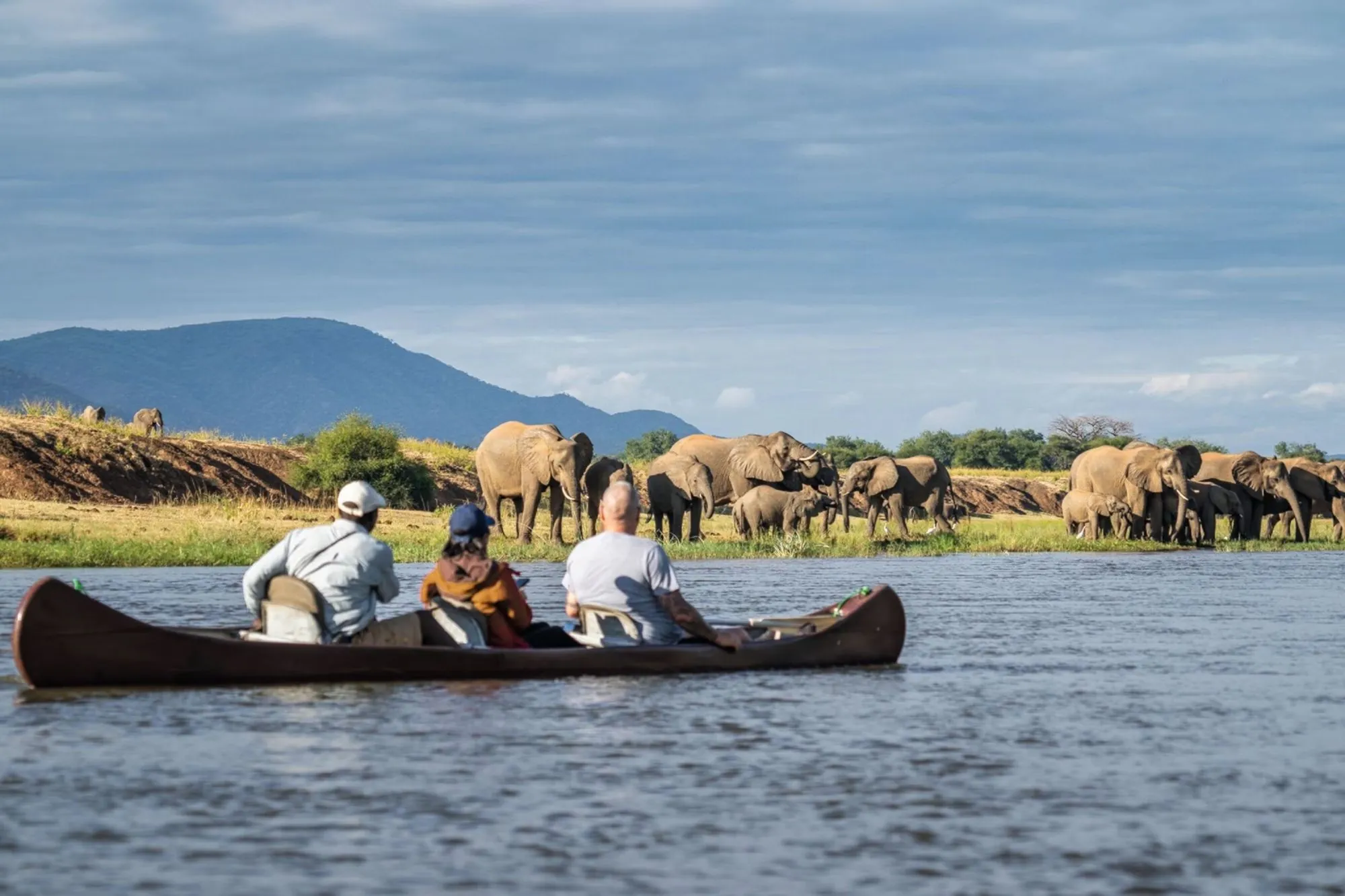
Lower Zambezi National Park
Southern Zambia · The River
The Lower Zambezi is safari on the water: canoeing past elephant and hippo at close quarters, with private concessions along the park.
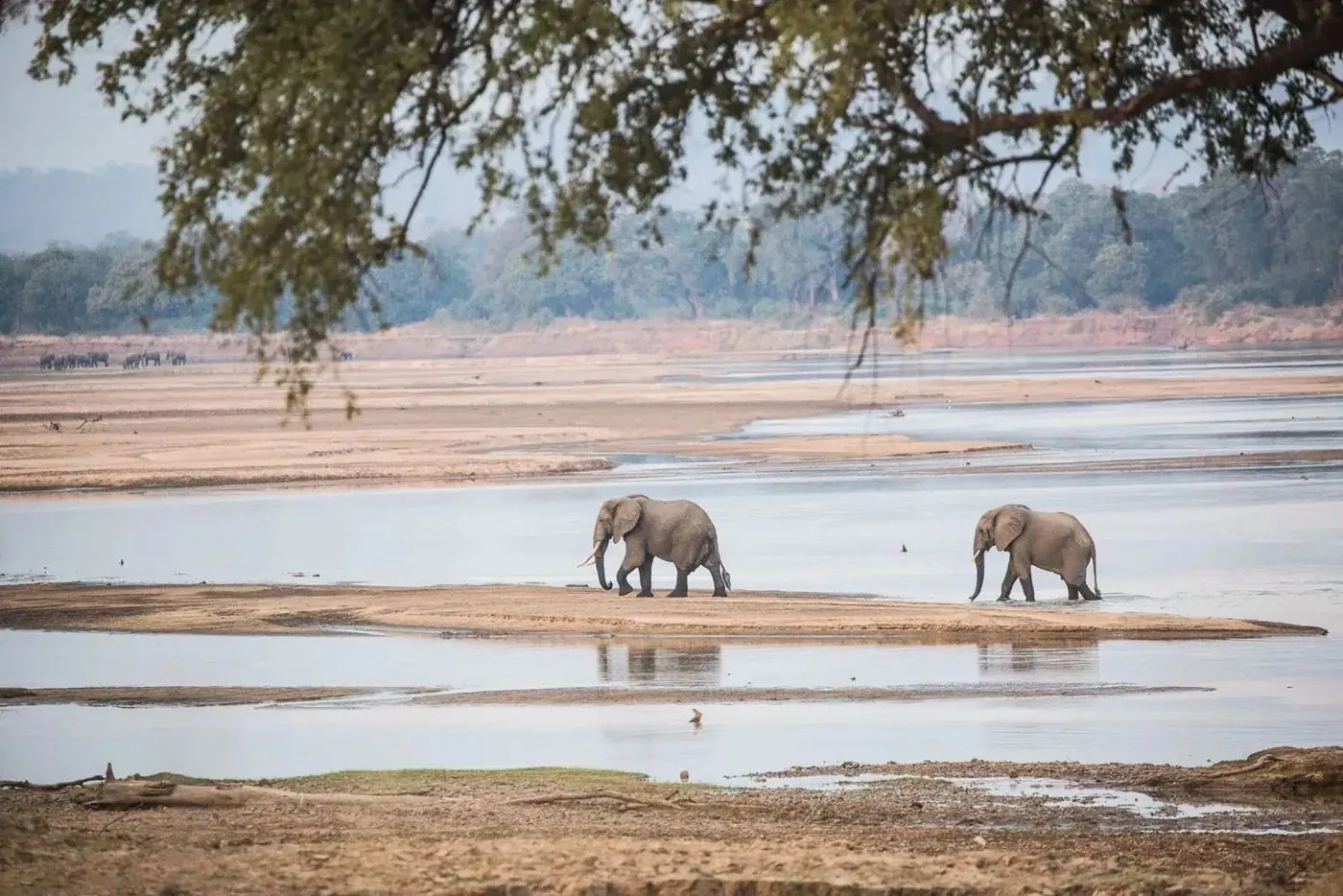
Elephants crossing the Zambezi at dawn. Lion drinking at the river’s edge at last light. The Lower Zambezi offers moments found nowhere else in Africa.
Liuwa Plain National Park
Western Zambia · The Remote
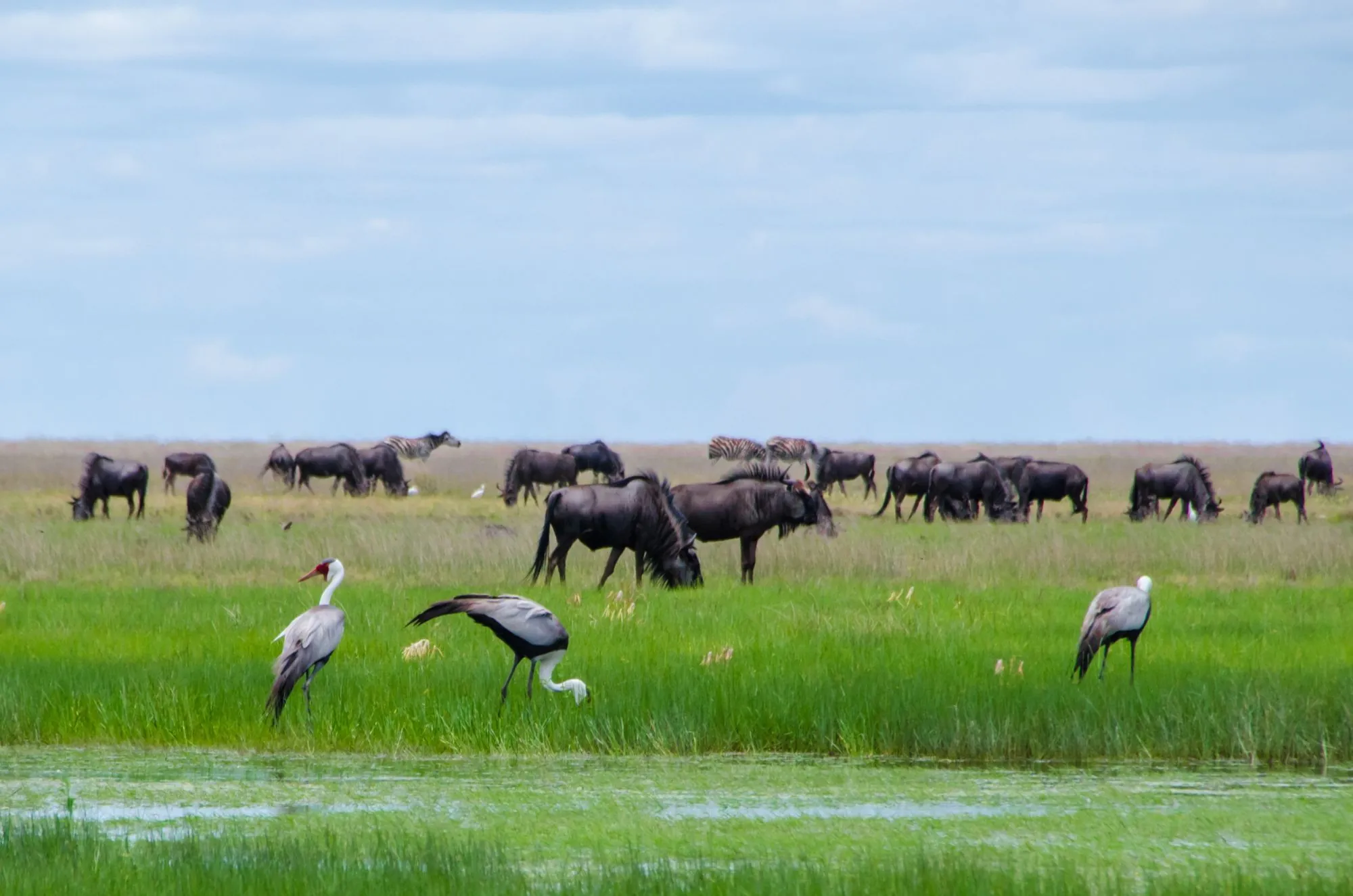
One of Africa’s last true wildernesses. Liuwa Plain hosts the continent’s second-largest wildebeest migration, with a fraction of the Serengeti’s visitors.
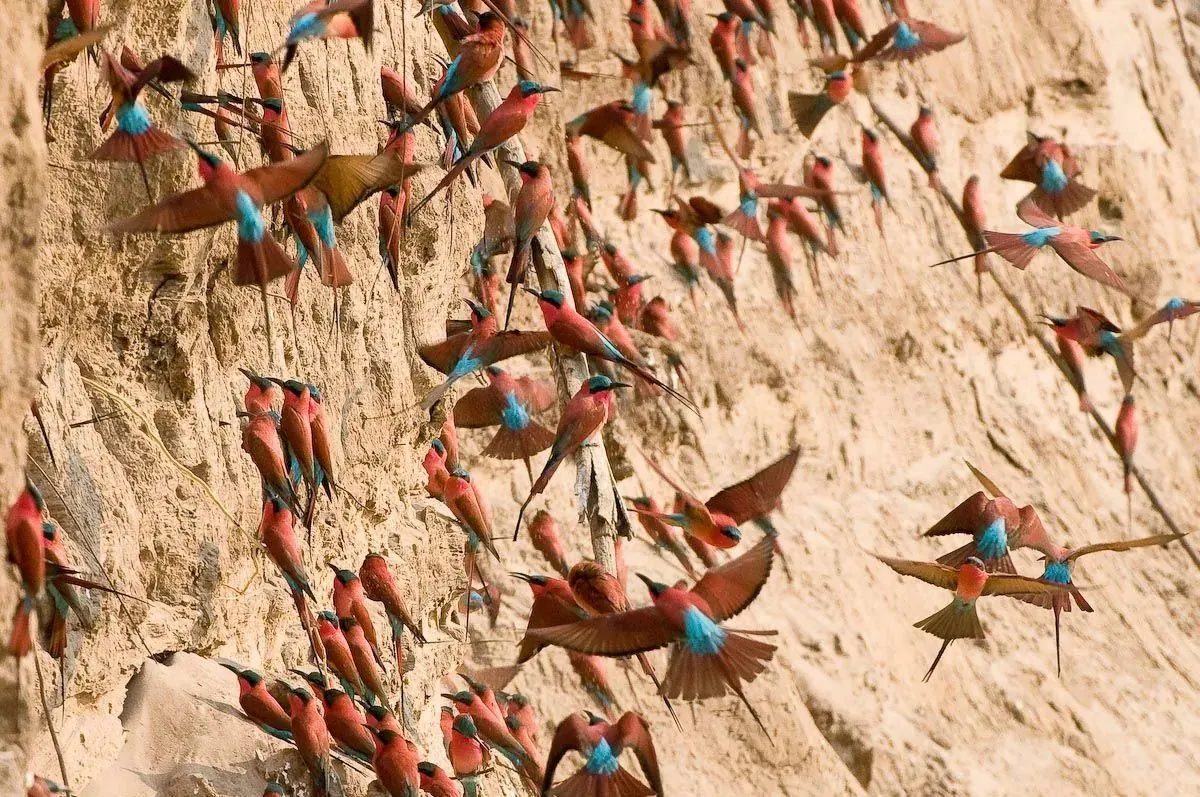
Carmine bee-eaters nesting in the Luangwa’s banks, September to November
Where the walking safari was born, and still thrives.
Our Zambia Classic journey, designed with The Bushcamp Company, spends eight nights on their circuit of intimate bushcamps, where Zambia’s walking reputation was made.
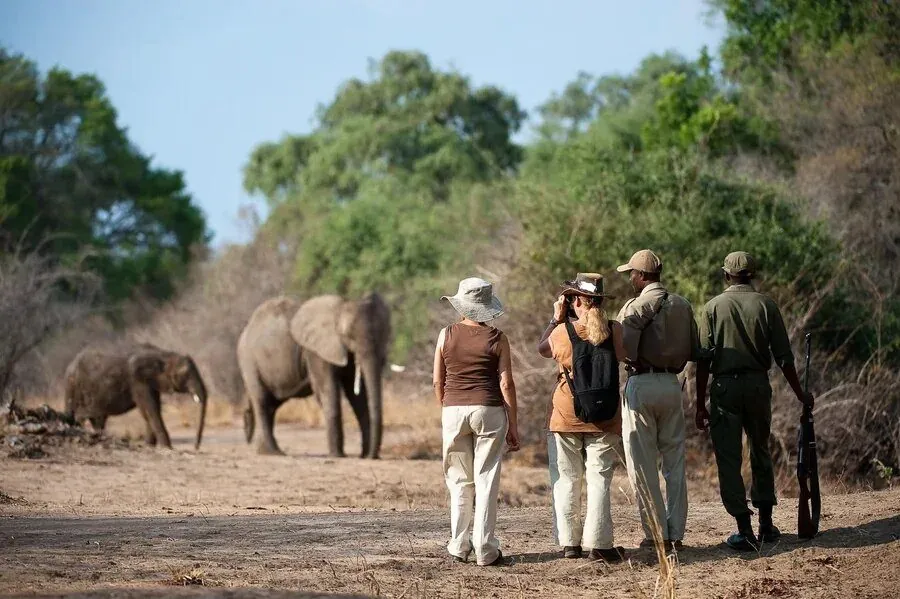
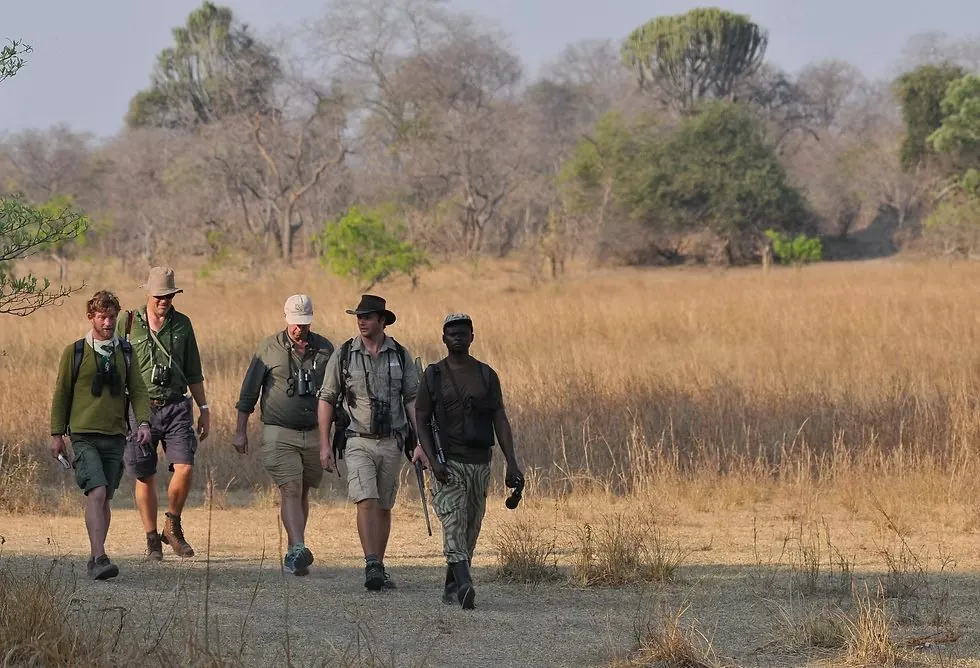
South Luangwa is where serious walkers come. Norman Carr first took paying guests out on foot here in the early 1960s, and the small groups, armed scout and slow pace of walking safaris all trace back to this valley.
On foot, everything changes. Distance collapses. Senses sharpen. The bush reveals itself differently.
Where you walk matters as much as whether you walk: vehicle traffic, where the walk starts and how remote the camp is. We work only with operators who see it the same way.
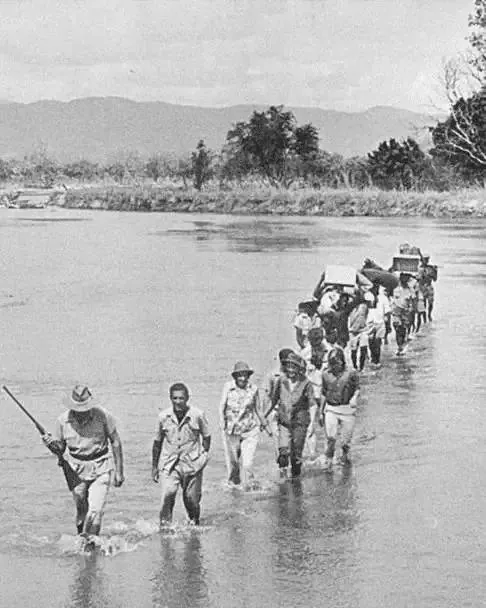
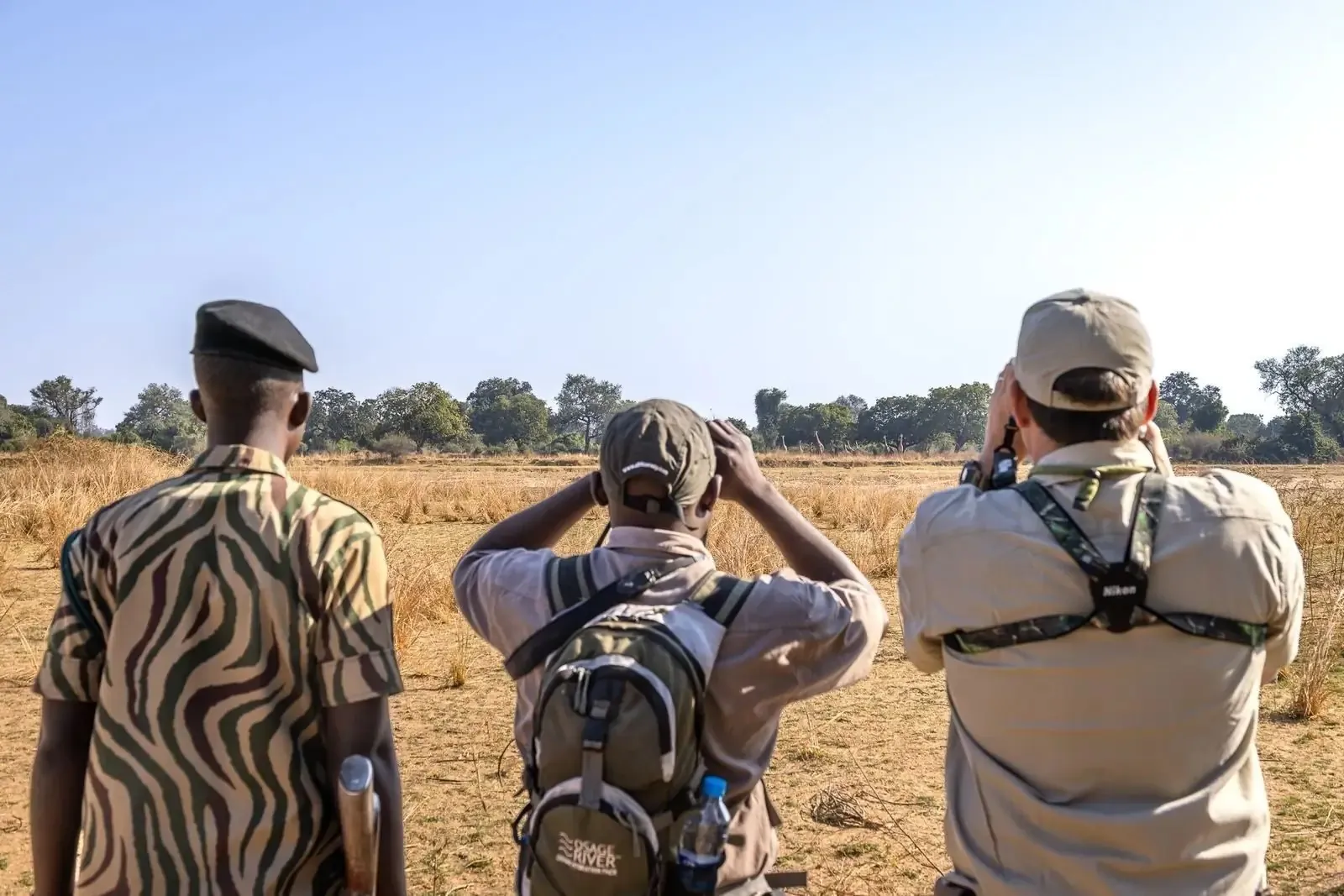
Field notes from the valley.
Understanding the seasons.
Green Season
December – April
The rains turn the valleys green and bring the migrant birds. Prices fall, visitors are few and Victoria Falls builds to full flood. Many remote bushcamps close, so we plan around the lodges that stay open.
Shoulder Season
May – mid-June · mid-October – November
In May and early June the rains are over, the bush is still lush and the camps are reopening: cool mornings, fewer guests and lower rates. Late October and November bring heat, the first rains and the same lower rates.
Peak Dry Season
Mid-June – mid-October
Water shrinks to the rivers and lagoons and wildlife gathers around it. The classic safari months, with the best walking. September and early October bring the most dramatic sightings, and real heat.
Year-Round
All Months
There is no wrong time to visit Zambia, only different safaris. Tell us what you want to see and feel, and we will tell you when to go and where.
Design Your Zambia Journey
Tell us when you travel, who is traveling, and what you want to feel.