The Ultimate Luxury: Unplugging Into a Wild Landscape You Have to Yourself
The most powerful thing a great safari can give you isn’t something you can photograph or post. It’s the absence of everything you left behind.
Something has shifted in the way serious travelers think about what they want from a safari. It has been building gradually, accelerated by the years since Covid, and it is now showing up in the conversations we have with guests before they travel and the things they say when they come back.
The old version of luxury was additive. More amenities, more countries, more experiences packed into fewer days. A perfectly curated itinerary where every hour was accounted for and the highlights were pre-arranged. The measure of a trip was what you had seen and done.
The new version is subtractive. What you left behind. How completely you disconnected. How much space there was to simply be somewhere, without agenda, without the pressure of a screen waiting for your attention, without the feeling that you should be doing something else.
Travel is no longer about what you can add to your holiday. It is about what you can leave behind.
This is not a niche preference. It is emerging as the dominant motivation among experienced travelers — the ones who have seen Africa before and are deciding what they want from it the second time, or the third. They are not looking for more. They are looking for less, of everything except the wilderness itself.
Unplugged Luxury
There is a phrase gaining traction among travel researchers: ‘unplugged luxury.’ The idea is simple. For most of us, the ability to disconnect from technology has become rarer and more valuable than almost any material comfort. We live at a pace that compounds daily. Work arrives at all hours. Notifications are constant. The mental space to simply think, or to not think, has become genuinely scarce.
Against that background, a remote safari camp with no phone signal and no obligation to be anywhere is not a deprivation. It is the most extravagant thing some people have experienced in years.
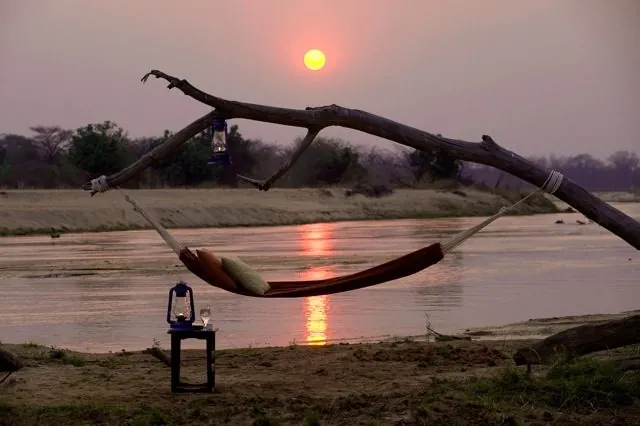
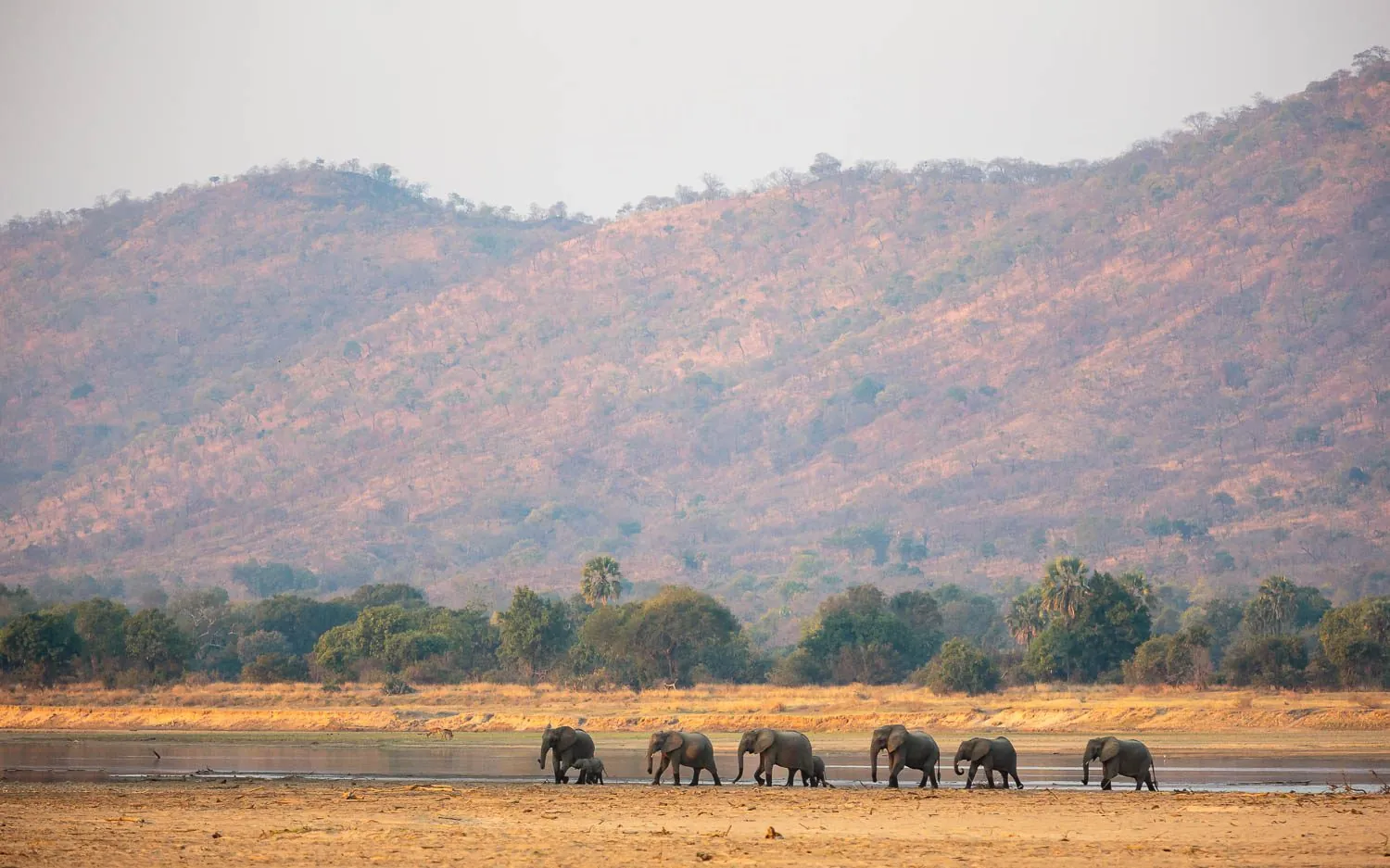
You can hear the shift in what guests remember. Not the linens or the bathroom. The morning they sat in silence at a waterhole as a hundred elephants arrived. The night drive when a leopard passed close enough to hear it breathe. The afternoon with nothing to do but watch the light change over the river, when they discovered that was enough.
These are not experiences that can be manufactured by spending more money on a room. They require a different kind of access entirely.
The Real Scarcity
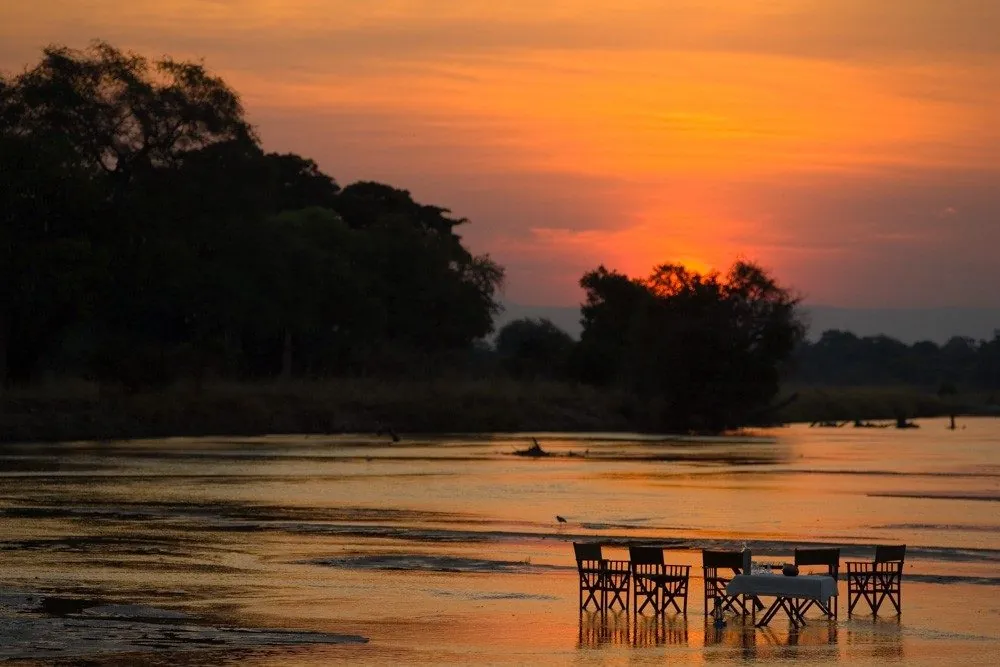
The greatest luxury available in African safari is not architectural. It is spatial and temporal. It is the combination of genuinely wild, genuinely remote country — experienced slowly enough that it actually reaches you.
This is harder to find than it seems. The safari industry has become very good at comfort in beautiful settings. It has been less consistent at real disconnection: camps remote enough that the modern world recedes, in country wild enough that wildlife moves on its own terms, with enough time in one place for the rhythm of the bush to become yours.
The travelers who come back transformed — not just pleased, but actually changed in some small way by what they experienced — almost always describe the same things. Space. Silence. Time. The feeling of being somewhere real, where what happens next is genuinely unknown.
The greatest luxury of all — the one that cannot be manufactured, and is harder to find than almost anything else — is having a piece of untamed wilderness and its wildlife entirely to yourself for a few days. That is not something a higher room rate at a more conventional property can buy.
What This Means in Africa
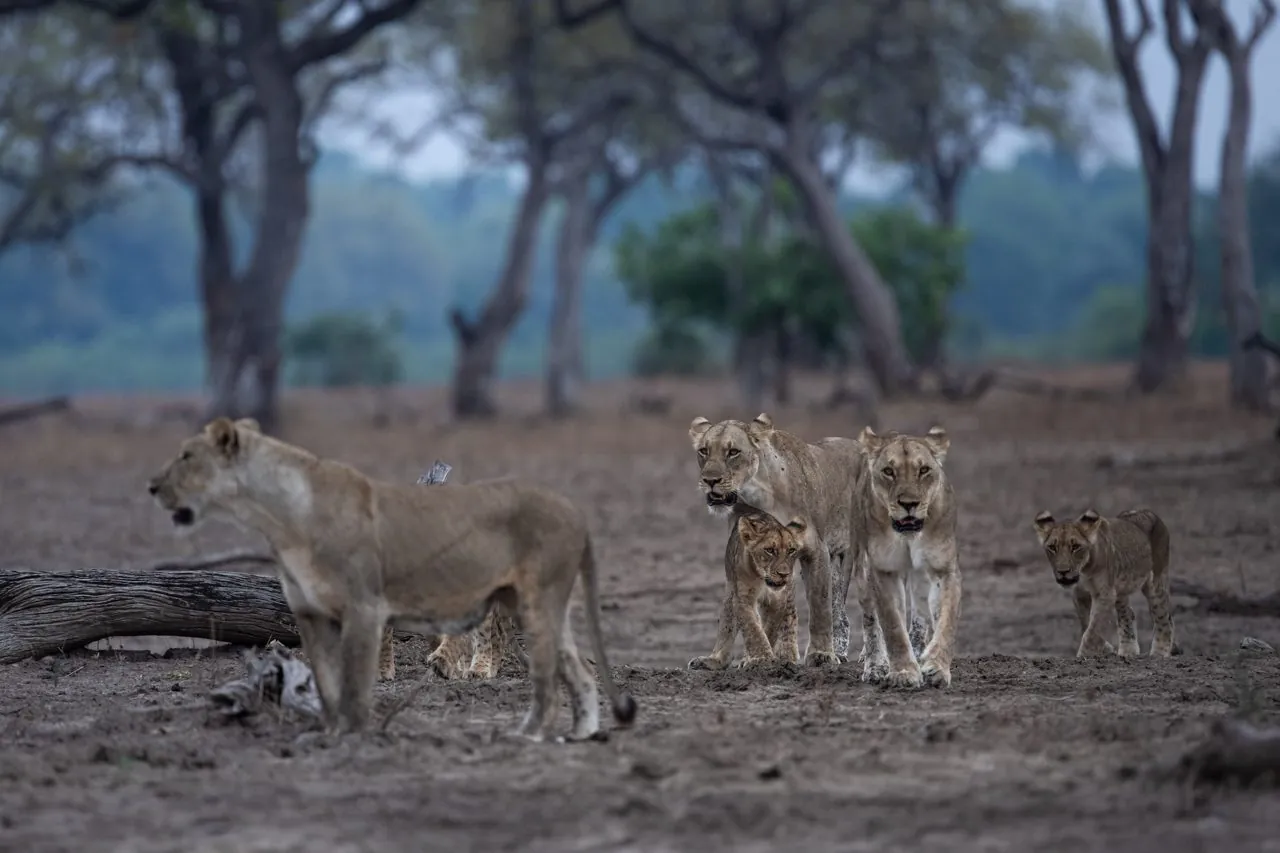
Africa has always been exceptional at delivering this kind of experience, but not equally so across all destinations and operators. The difference between a camp in a busy, shared wildlife area and one in a genuine exclusive concession is the difference between a backdrop and an immersion.
In East Africa, it is the difference between a Mara camp that shares its game-viewing loops with dozens of vehicles and a private conservancy where you might drive all morning without meeting another operator. In southern Africa, it is the difference between a shared reserve where operators compete for the same sightings and exclusive-use territory where wildlife moves undisturbed.
The right travel specialist — one who genuinely knows the destinations they are selling, not just the flagship properties with the largest marketing budgets — can find the version of this that exists in each great African destination. That knowledge is worth more than any brochure.
South Luangwa: Where This Philosophy Was Born
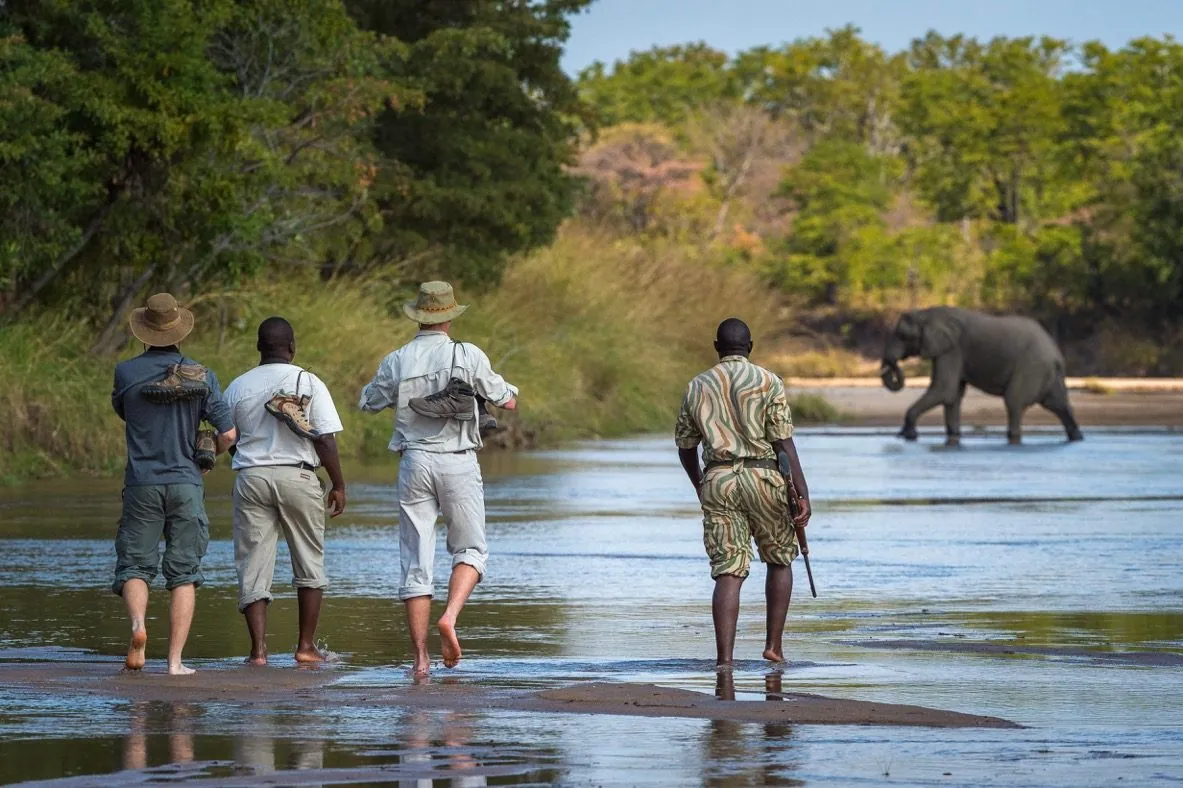
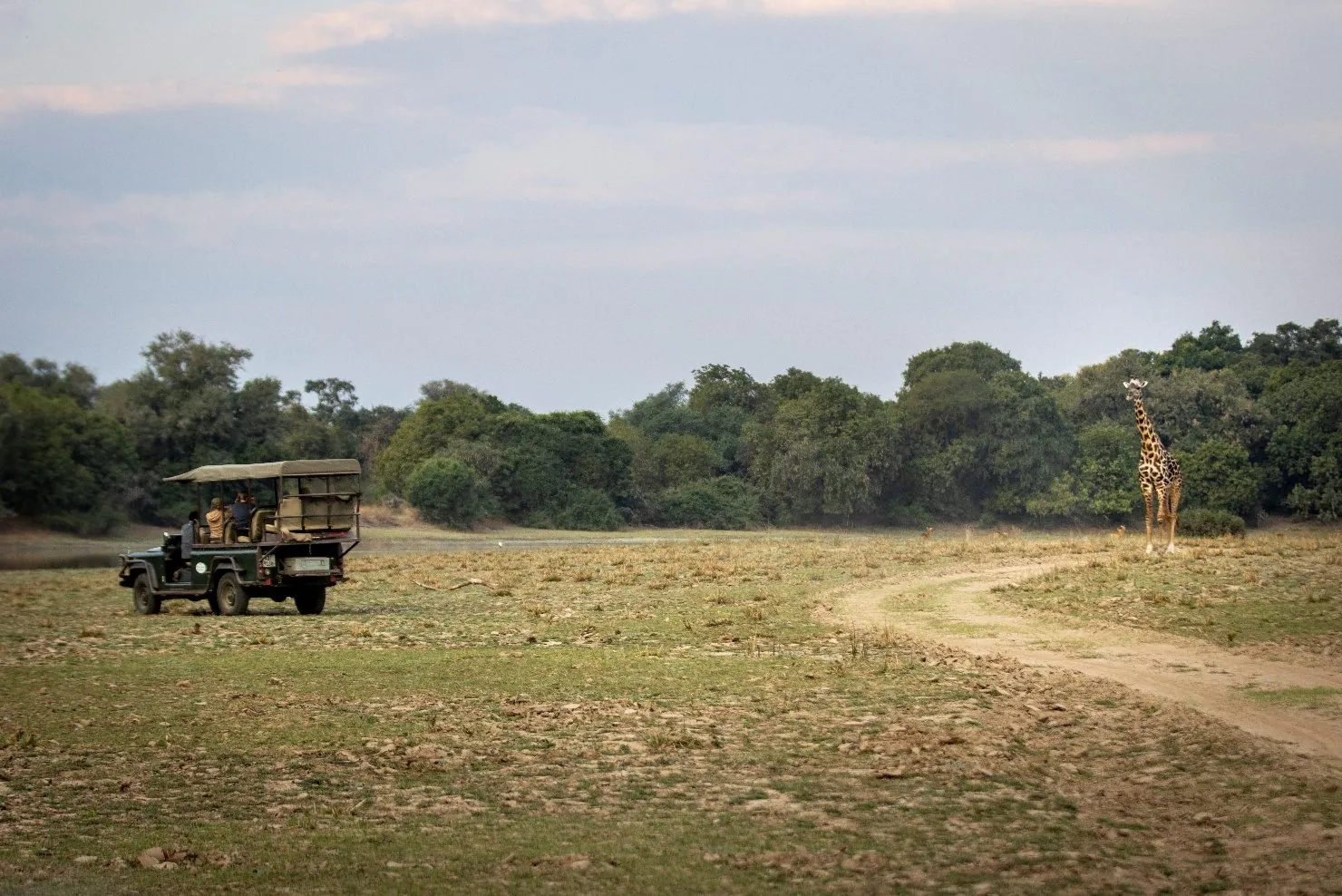
South Luangwa National Park is where this philosophy of safari has its deepest roots. It is the birthplace of the walking safari, where Norman Carr understood, in the early 1960s, that the most powerful way to experience wilderness was to move through it at a human pace: slowly, quietly, on foot. Not collecting sightings from a vehicle, but inhabiting the landscape.
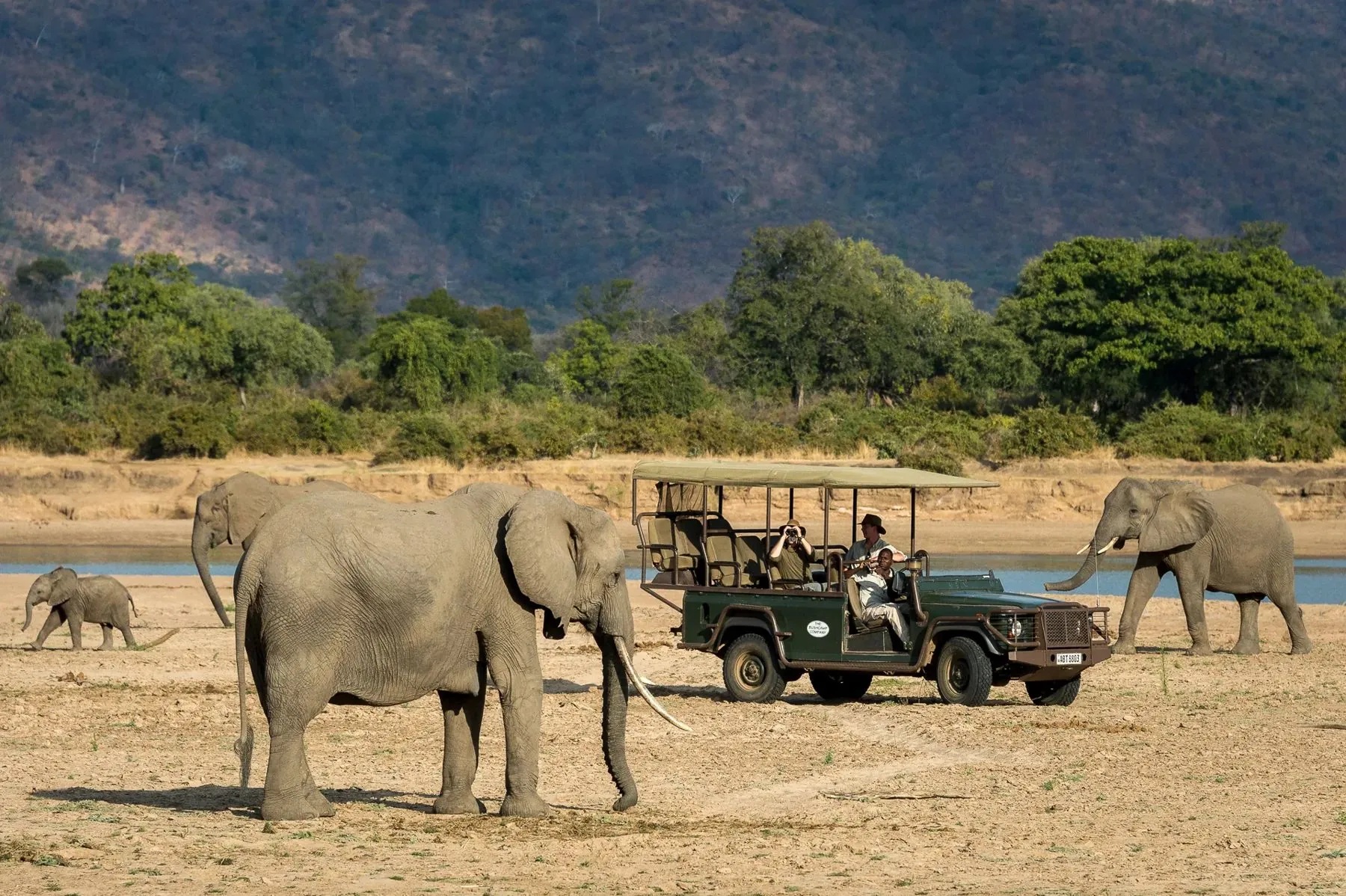
That philosophy shaped the valley's guiding culture, and it shapes The Bushcamp Company today. Its six small bushcamps sit in an exclusive-use area of about 140,000 acres inside South Luangwa National Park, where no other operator has access. The wildlife is relaxed around vehicles and guides who have worked these areas for decades, but it is never managed or arranged. It moves entirely on its own terms.
The camps range from elemental, open to the bush and built on the idea that the room is not the point, to more refined, with private plunge pools and considered design. All have the comforts guests expect. What they don't have is the noise of a world that hasn't stopped for you. For most guests, that is what they remember most.
One guest described it recently as “the unhurried, peaceful energy” of the place. That phrase captures something that no amenity list can. It is the energy of a camp where there is nowhere else to be, nothing else to check, and the only schedule is the one the wilderness sets.
The Right Specialist Makes the Difference
This kind of experience, in South Luangwa or the right corner of any great African destination, doesn't find you by accident. It takes a specialist who knows the difference between a camp that markets itself as exclusive and one that is, between a setting that looks remote and one that delivers real solitude, and between a scheduled safari and a guide free to follow what the bush is doing that day.
The traveler who books through a generalist agent working from brochures and commission structures will often end up somewhere perfectly pleasant. They are unlikely to end up somewhere that genuinely changes them.
The traveler who finds a specialist who lives in or near the destination, knows the operators personally, and understands the difference between what is sold and what is experienced — that traveler is booking something different. Not a holiday. An encounter with a place that has its own demands, its own pace, and its own rewards.
That is what the best African safari has always been. The shift happening now is that more travelers are arriving already knowing this — already understanding that what they are looking for is not more, but less. Less noise. Less schedule. Less world. More wilderness. More silence. More time to simply be somewhere worth being.
The safari that stays with you is rarely the one with the most impressive room. It is the one where the world fell quiet long enough for your mind and soul to find their way back to nature.