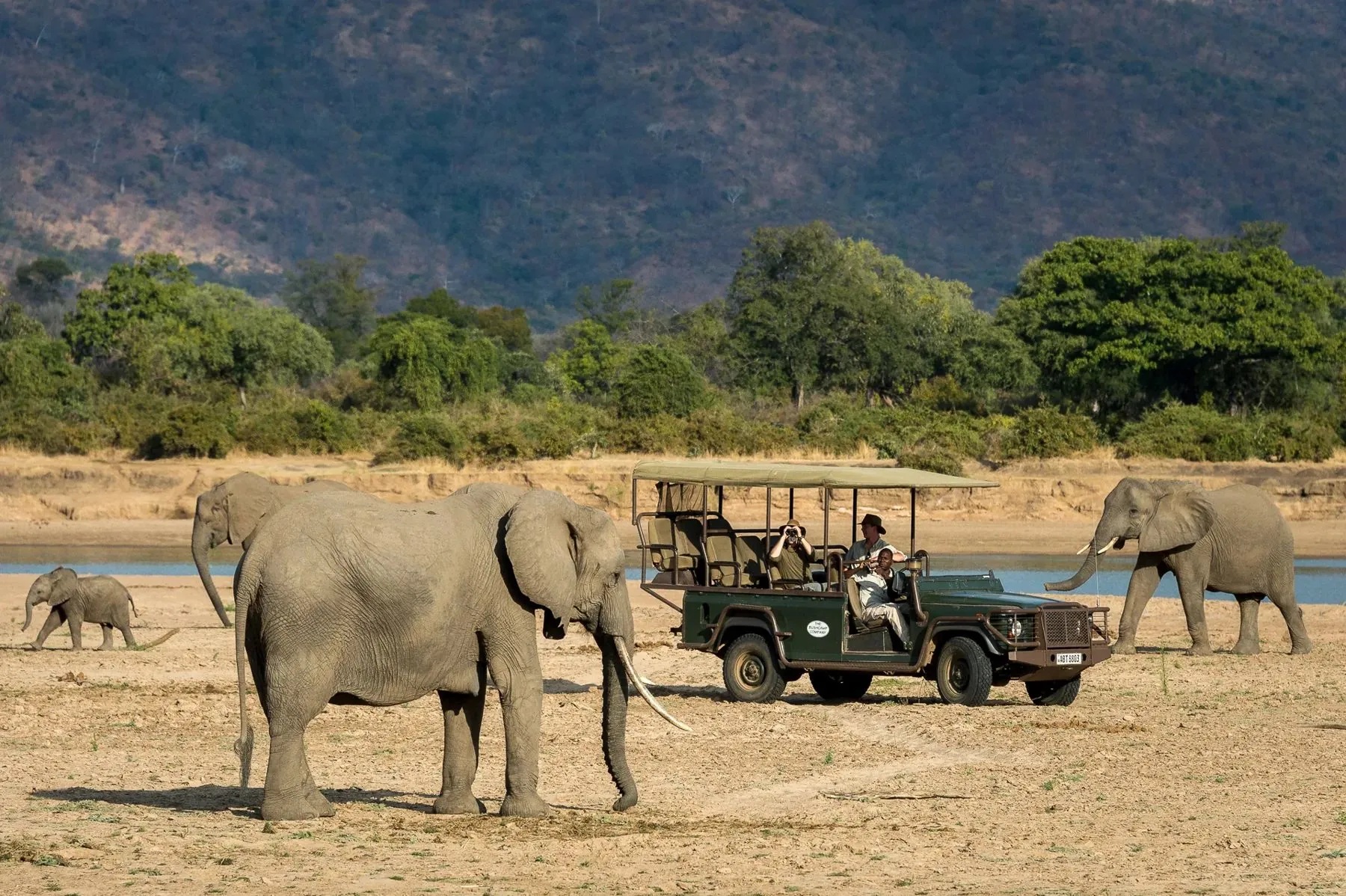
When to Go to Zambia: A Month-by-Month Guide
The textbook answer, June through October, is correct but unhelpfully broad. The difference between June and October is bigger than most travelers realize.
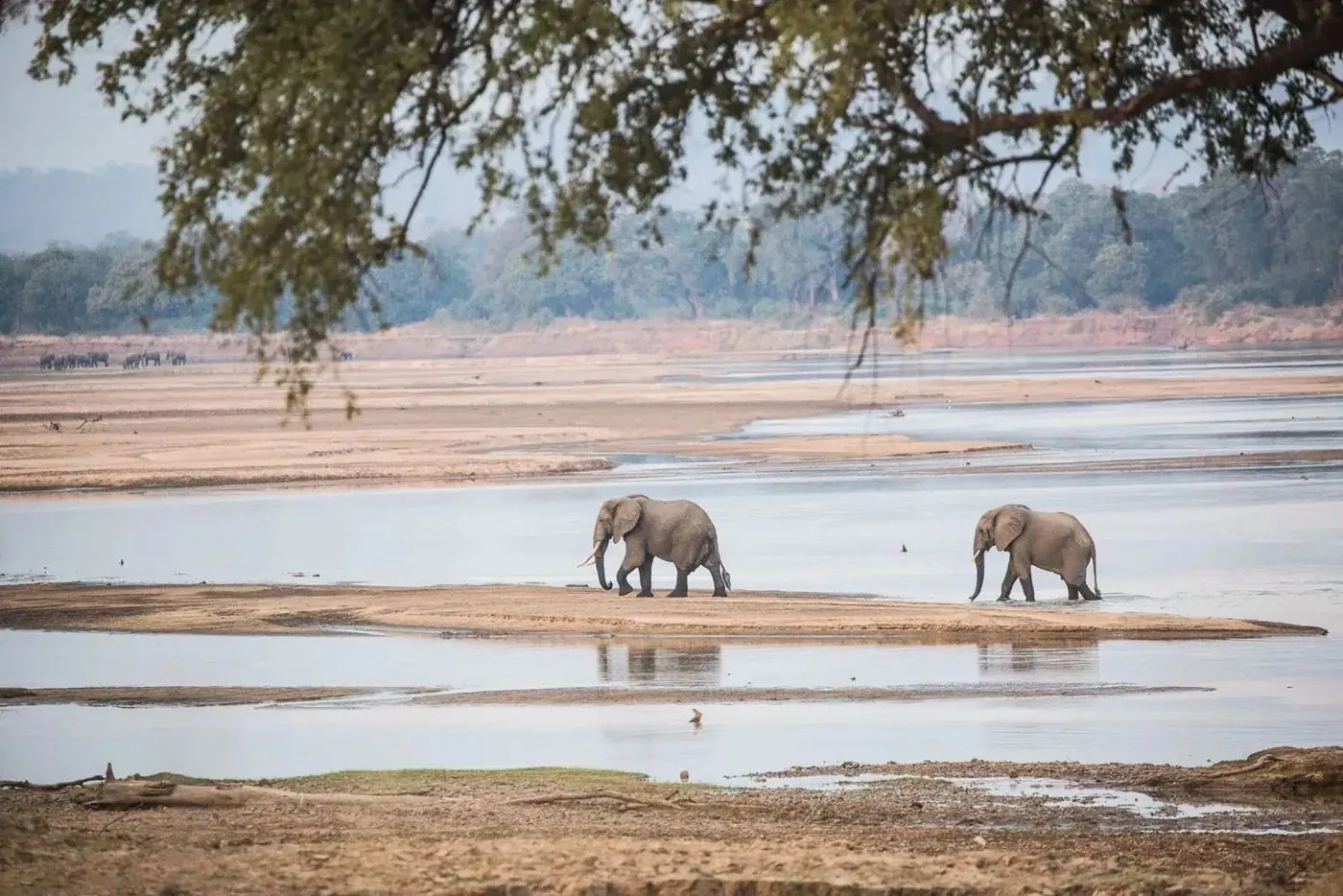
Elephants cross a sandbank on the Luangwa in the dry season. Photo: Safari Heritage Collection.
Here is what each month is actually like, written by a team that lives in Zambia and works there year-round.
The Two Seasons
Zambia has a sharp seasonal split. The dry season runs roughly from May to October. The wet season, known locally as the Emerald Season, runs from November to April. Within each, quieter in-between periods change the experience considerably.
For safari, the dry season is the default answer for good reasons: vehicles can reach remote areas, walking is possible, wildlife concentrates around shrinking water, and most specialist bushcamps are open. The Emerald Season has real virtues (green landscapes, exceptional birding, much lower prices and very few other guests) but it is not for everyone, and large parts of the parks are inaccessible.
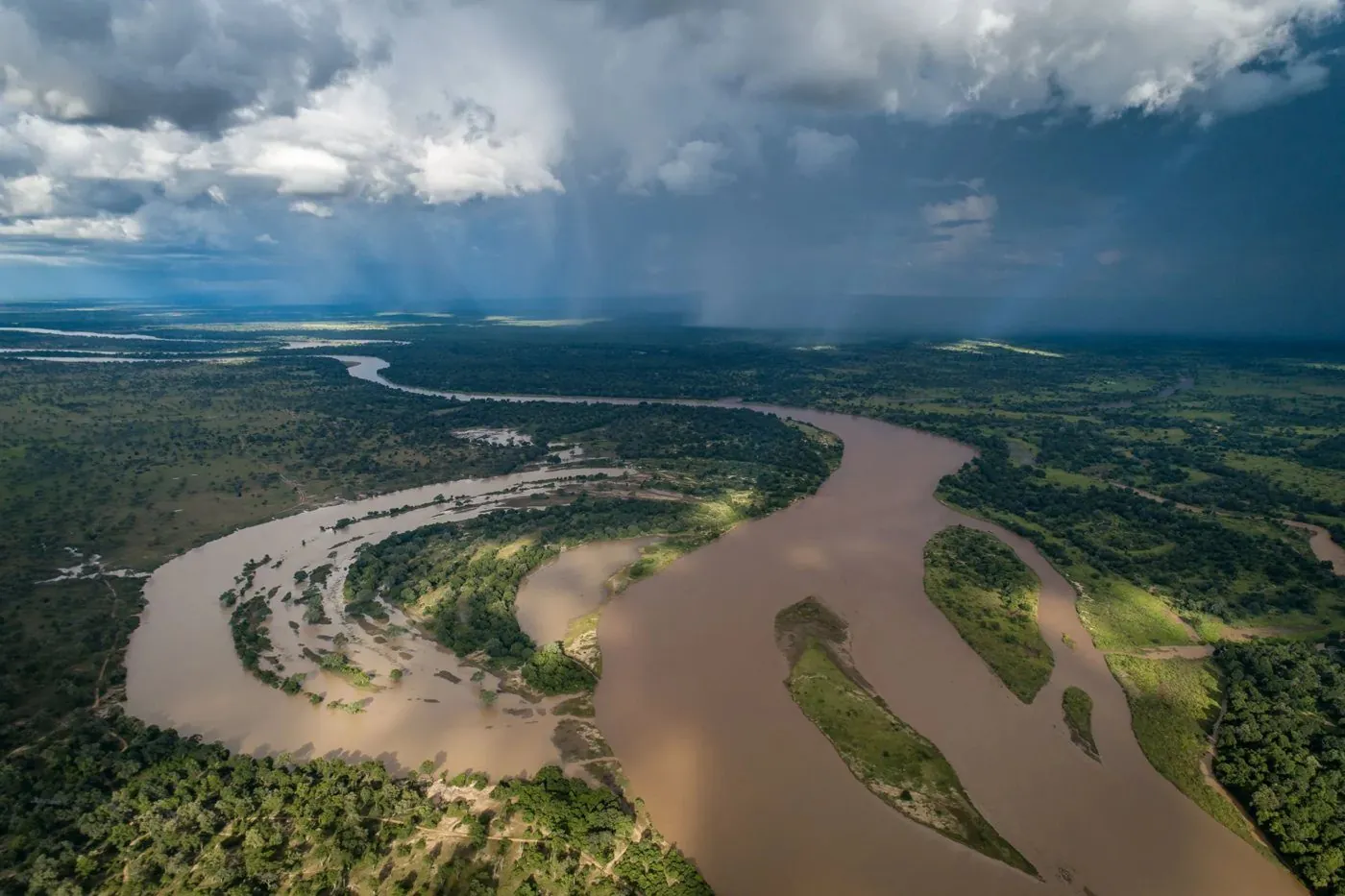
The Luangwa in the Emerald Season, when the rains turn the valley green and the river runs high. Photo: Safari Heritage Collection.
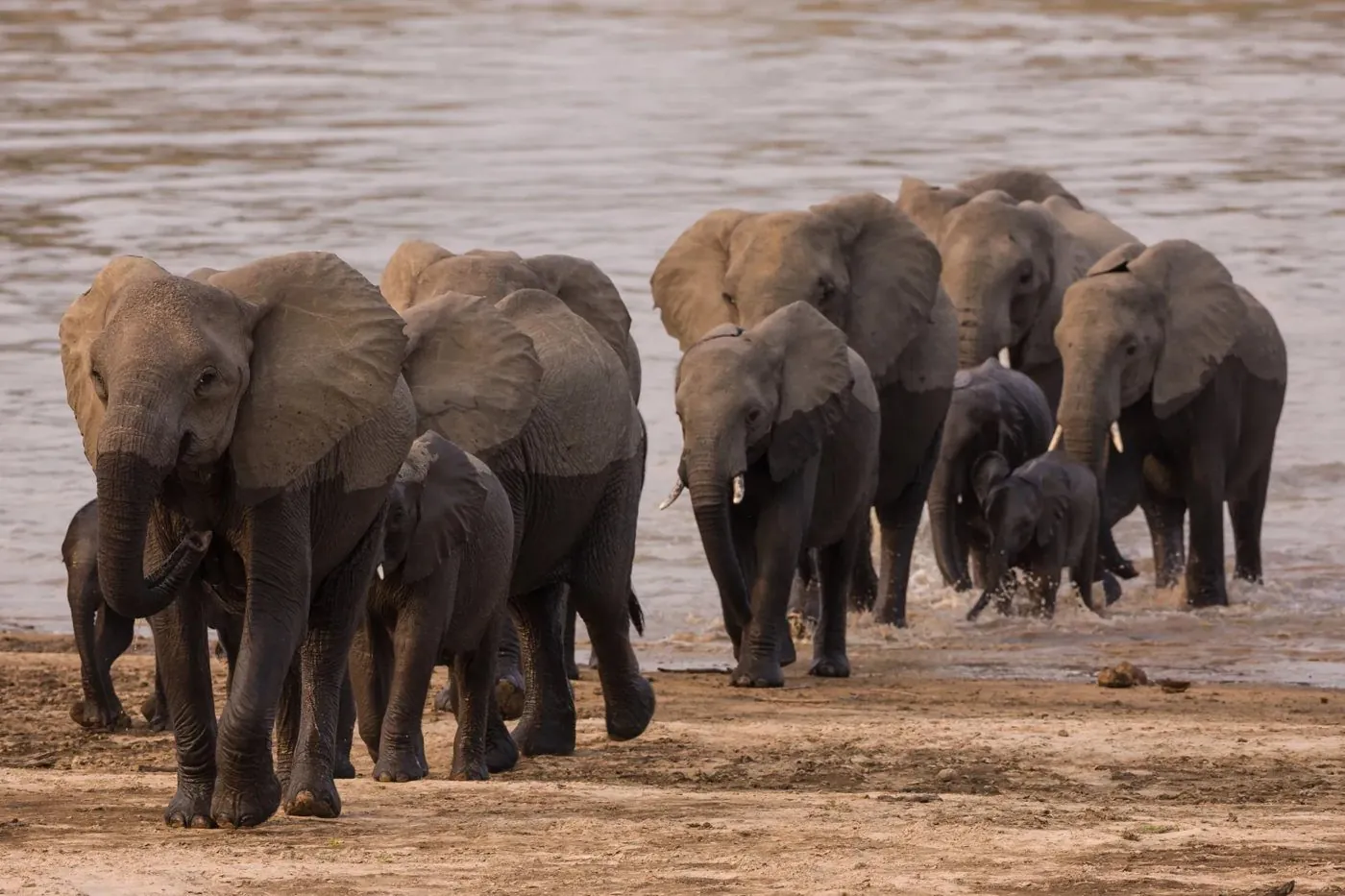
The same river late in the dry season, when wildlife gathers at the remaining water. Photo: Safari Heritage Collection.
Month by Month
January: Deep wet season.
Heavy rains, especially in the north. Most South Luangwa camps are closed, though a few year-round lodges stay open. Bush roads are impassable. Victoria Falls is building toward peak flow.
Go if: you want the least expensive Zambia trip and your priority is birds (migratory species are at their peak), green landscapes and dramatic skies rather than big-game sightings.
Consider skipping if: this is your first safari, or game viewing is the priority.
February: Lush and unusual.
The rains continue and the landscape is at its greenest. Some South Luangwa camps run boating safaris, possible only now, when the Luangwa is high enough to be a true river. It is an unusual and brilliant alternative. Victoria Falls is approaching full flood.
Go if: you want a green-season boating safari on the Luangwa or Victoria Falls in full flood.
Consider skipping if: game viewing is your main goal.
March: Rains tapering, falls peaking.
The rains begin to ease, first in the south. The landscape is still vivid green. Victoria Falls reaches its peak late in the month. Most bushcamps are still closed.
Go if: Victoria Falls is the priority and you are happy with a quieter safari.
Consider skipping if: you want classic dry-season game viewing or walking safaris.
April: The transition month.
The rains are mostly over by mid-month in the south but linger in the north. A few more camps reopen. The landscape is still beautifully green. Victoria Falls is at its peak, with so much spray that the falls themselves are partly hidden, a real tradeoff that surprises some visitors.
Go if: you want lower prices, lush scenery and a quieter trip, and don't need to walk.
Consider skipping if: walking safaris or classic big-game viewing is the point of the trip.
May: The underrated month.
The rains are gone and the landscape is drying fast. Days are warm and sunny, nights pleasantly cool. Many bushcamps reopen by late May. Wildlife is still spread out because water is plentiful, but game viewing improves week by week. Shoulder-season prices, and very few other guests.
Go if: you want the dry-season experience without peak-season prices or crowds. One of the most underrated months of the year.
Consider skipping if: you need guaranteed access to remote camps; some may still be opening.
June: Peak season begins.
Cold mornings (genuinely cold in the bush, so bring layers), warm afternoons and clear skies. Walking safaris open across South Luangwa, and the Busanga Plains in Kafue begin to open up as they dry out. Wildlife starts to concentrate near permanent water. Camps are fuller and prices higher.
Go if: you want excellent game viewing without the heat of August and September. The best month for guests who feel the heat.
Consider skipping if: budget is a significant constraint; peak pricing has begun.
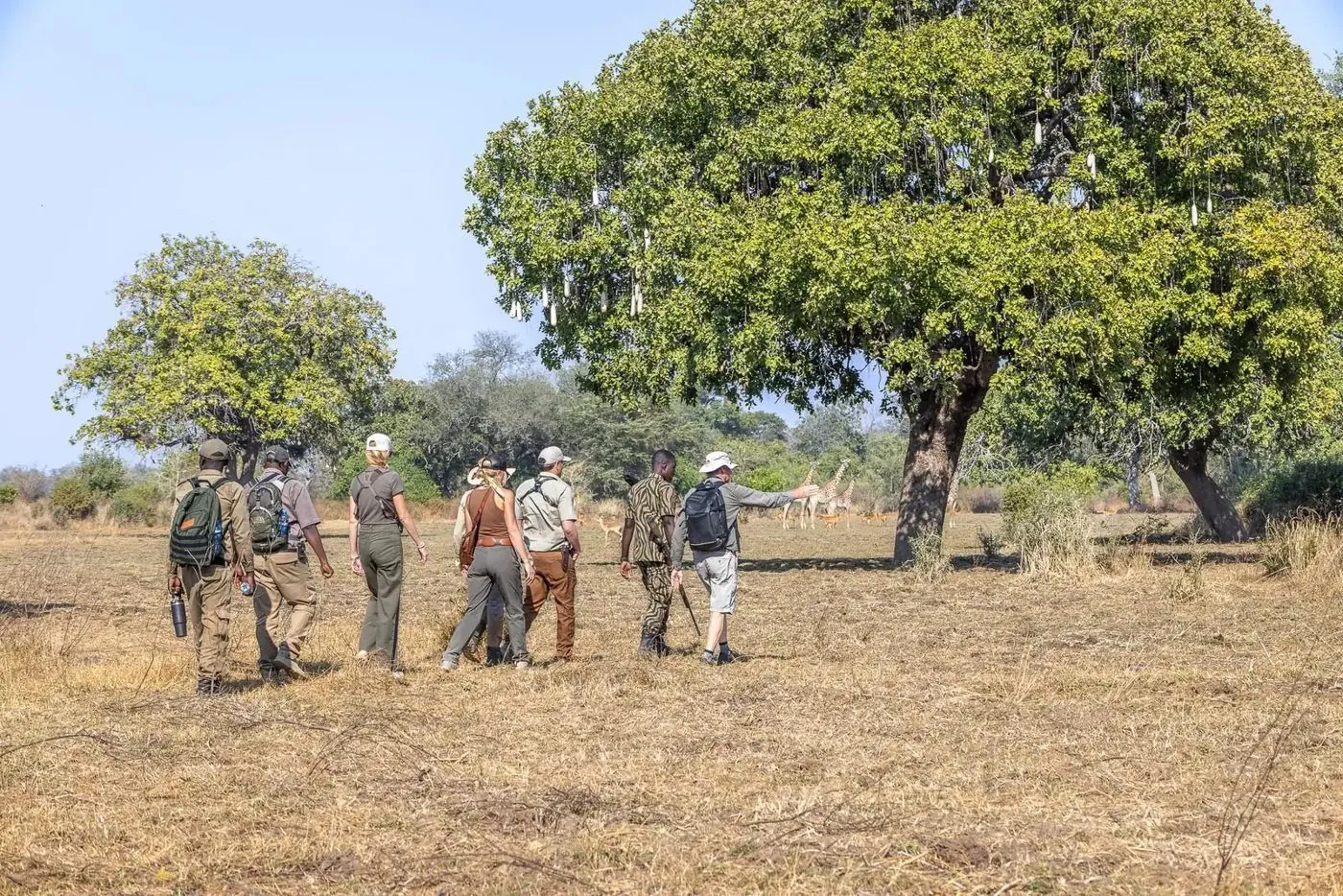
A morning walk in the dry season. June through August bring the coolest walking weather. Photo: Safari Heritage Collection.
July: The textbook safari month.
Cool mornings, warm to hot afternoons, no rain, excellent walking conditions and growing concentrations of wildlife. Summer school holidays in North America and Europe push prices and occupancy higher from late July.
Go if: this is your first safari and you want the surest combination of weather and wildlife. Plan and book well ahead; the best rooms go a year out.
Consider skipping if: you are booking late or have a firm budget ceiling.
August: Peak wildlife, rising heat.
Warmer than July and very dry. The vegetation is thinning and animals are concentrating along the river. The Busanga Plains in Kafue are at their best for plains game and lion. Victoria Falls is dropping but still impressive.
Go if: you want peak game viewing with manageable heat and are comfortable with peak pricing.
Consider skipping if: anyone in your group struggles in the heat; choose June or July instead.
September: The dramatic month.
Hot afternoons but exceptional game viewing. The water has shrunk to a few permanent pools and the river itself, and predators and prey concentrate around them. The bush is at its sparest, so animals are easy to spot, though the landscape is less photogenic than earlier in the year. Devil's Pool at Victoria Falls is usually open.
Go if: wildlife sightings are your top priority and you can handle warm afternoons.
Consider skipping if: you are traveling with people who are not used to African heat.
October: The extreme month.
Daytime temperatures in the Luangwa regularly reach 100 to 104°F (38 to 40°C), sometimes higher. Wildlife concentrations are at their absolute peak, with every elephant, predator and buffalo herd drawn to the last water. The game viewing is hard to match anywhere in Africa. By late October, the first storm clouds build.
Go if: you have been on safari before, want the most dramatic wildlife experience Zambia offers and can tolerate real heat. Unforgettable for the right traveler.
Consider skipping if: it is anyone's first safari, or anyone in the group struggles in the heat. Not for everyone.
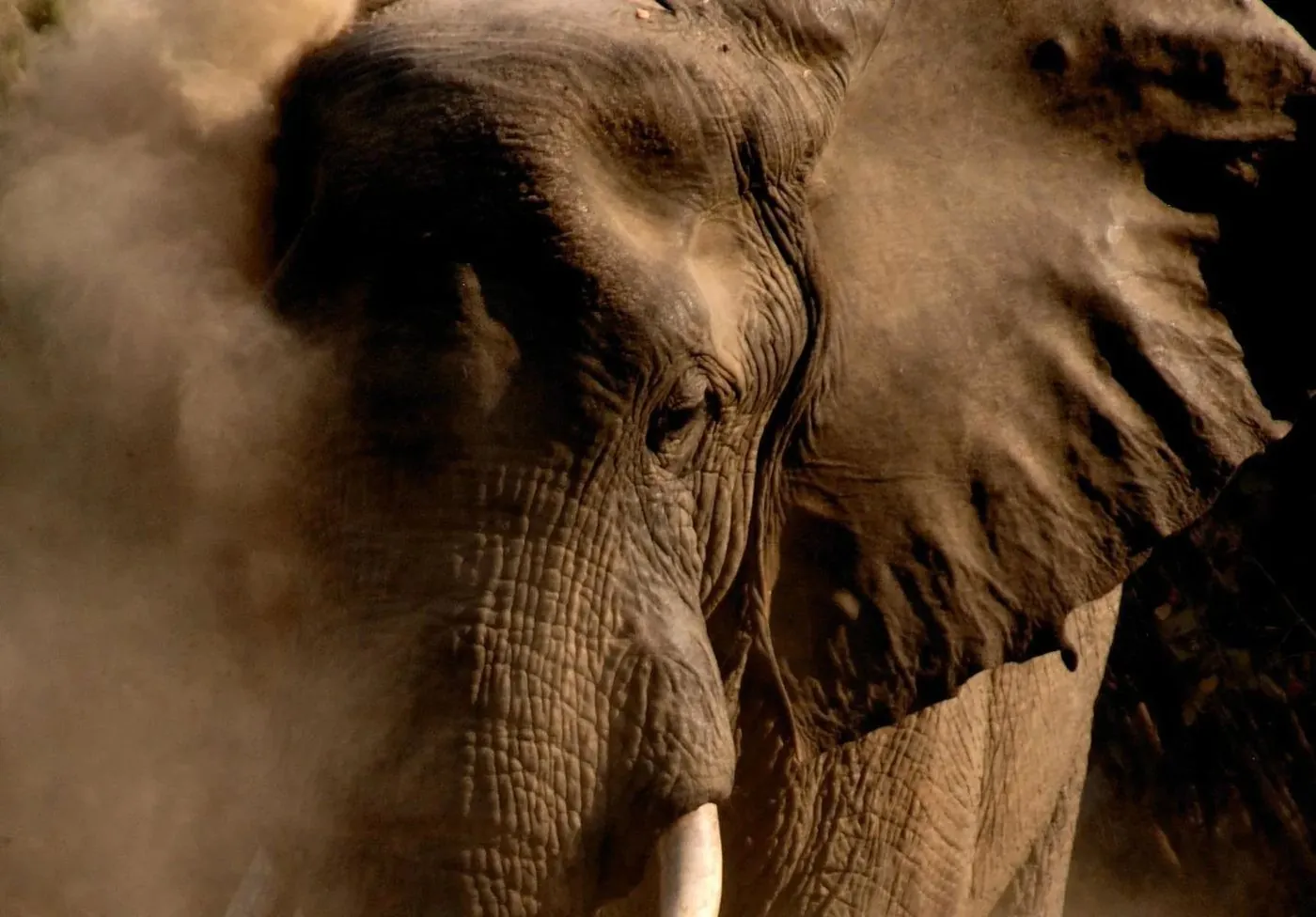
Late dry season. October brings the year's best game viewing, and its fiercest heat. Photo: Safari Heritage Collection.
November: The dramatic transition.
Storms build through the month. Walking winds down, and many bushcamps close by mid-November. The first rains transform the bush within days: green shoots, migratory birds arriving, the dust laid. Prices drop sharply.
Go if: you want to see the seasons change, pay lower prices and watch the migratory birds arrive.
Consider skipping if: you need walking or guaranteed access to camps in remote areas.
December: Wet season, green landscapes.
The wet season is properly underway and most bushcamps are closed. Riverside lodges offer green-season game viewing: less concentrated than in the dry season, but with spectacular landscapes and very few other guests. Christmas and New Year rates spike at the few camps that are open.
Go if: you specifically want green-season Zambia and are flexible on where you can go.
Consider skipping if: game viewing is the priority, or budget is tight; holiday-period rates are high.
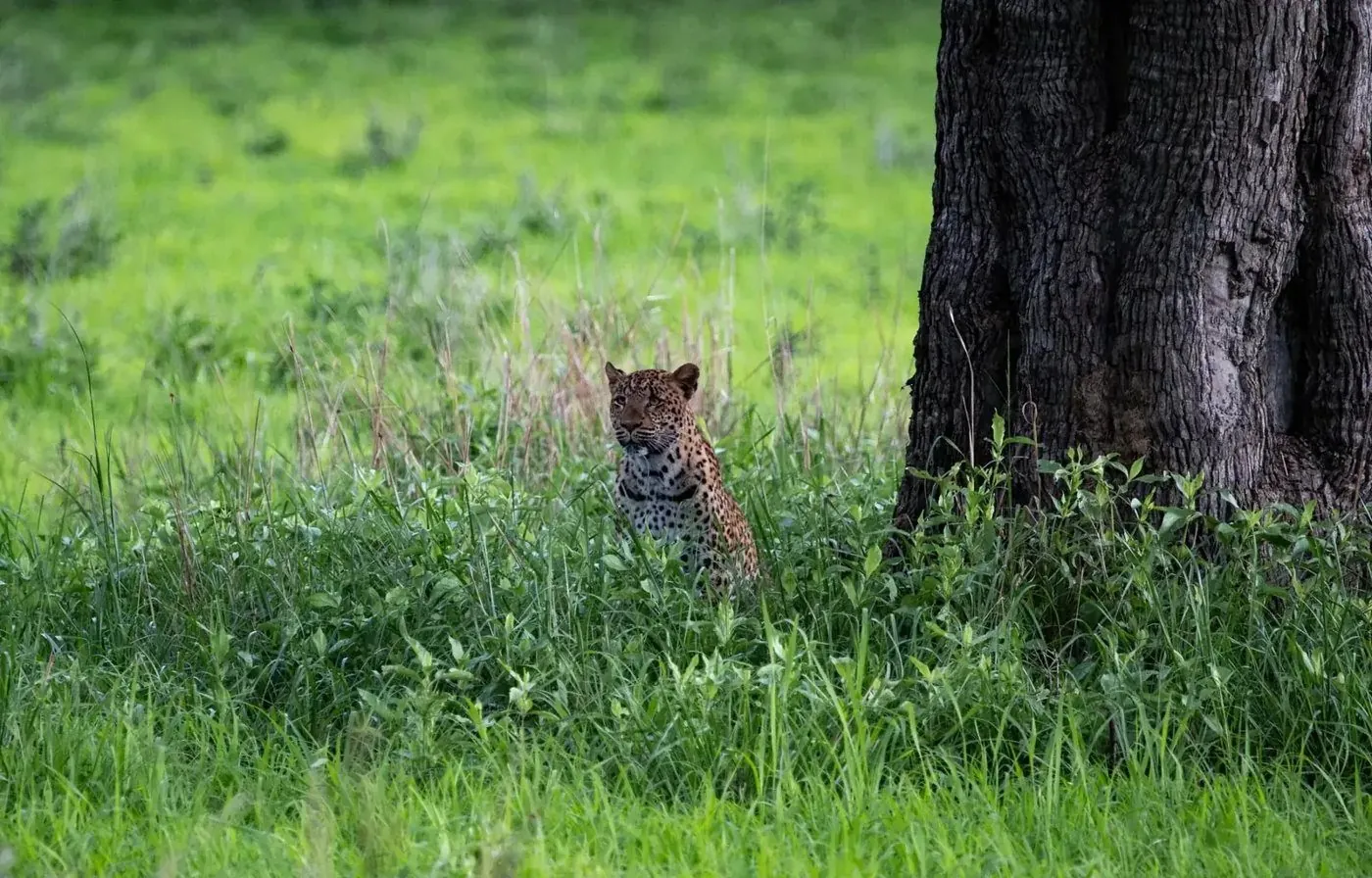
A leopard in the green season, when the bush is lush and visitors are few. Photo: The Bushcamp Company.
Quick Reference
| Priority | Best months |
|---|---|
| First-time safari | July, August |
| Walking safaris | June, July, August (cooler); September (best game) |
| Best game density | September, October |
| Victoria Falls at full flow | March, April, May |
| Falls and safari combined | June, July |
| Lowest prices, fewer crowds | May, November |
| Photography: green | April, May, late November |
| Photography: dramatic dry | September, October |
| Birding | November through April |
| Honeymoon (weather and access) | June, July |
What Most Guests Get Wrong About Timing
Booking too late for July and August
The best rooms at the best South Luangwa camps in July and August are often fully booked twelve months out. If you have a specific camp in mind for peak season, plan a year ahead. If you can be flexible on camps, six months is workable. The constraint is never the flights. It is the small bushcamps.
Underestimating the October heat
The wildlife photographs from October are extraordinary. The reality of 104°F (40°C) in the bush is harder than most people expect. If anyone in your group struggles in the heat, choose June, July or August instead. October is for experienced travelers who have sought it out.
Dismissing November
Early November in parts of Zambia is still excellent: before the rains, manageable heat, much lower prices and the first migratory birds arriving. The risk is that the rains start early in some years and disrupt plans. Worth considering if you are flexible and not counting on specific camps being open.
Expecting Victoria Falls at full flood with a dry-season safari
It does not work cleanly. The falls peak from March through May, which is the low season in the bush. If you want both, you compromise: June and July give you strong safari conditions and falls that are still impressive, if no longer at their peak. That is generally the right tradeoff.
How Far Ahead to Plan
We usually recommend starting to plan 9 to 14 months ahead for peak season (mid-June to mid-October) and 4 to 6 months ahead for the shoulder months (May, early June, late October and November). The constraint is the small bushcamps: many have only a handful of rooms and fill their peak weeks in a single booking cycle.
Once you have settled on a month, the next decision is which park. That is a separate conversation, and one we cover in detail in our guide to South Luangwa, the Lower Zambezi and Kafue.
The best time to go to Zambia is the time that matches what you are actually looking for, not the generic peak-season answer. Knowing the difference between June and October is the beginning of a trip that delivers what you came for.